

Microdosing psilocybin – consuming small, non-hallucinogenic amounts of "magic mushrooms" – is gaining attention for its potential to reduce anxiety and improve emotional balance. Unlike traditional medications or larger doses of psychedelics, microdosing offers subtle benefits without altering everyday consciousness. Research suggests it may ease anxiety, improve mood, and enhance mindfulness by interacting with serotonin receptors, promoting brain adaptability, and reducing overthinking.
Key points:
- What it is: Small doses (0.1–0.3g) of psilocybin taken on schedules like every third day.
- Reported benefits: Reduced anxiety, improved mood, better focus, and increased mindfulness.
- Safety: Start with low doses, monitor effects, and consult a healthcare provider if on medications or with mental health concerns.
- Legal status: Psilocybin is federally illegal but decriminalized in places like Oregon, Colorado, and Seattle.
- Products: Capsules, chocolates, and teas are common options for precise dosing.
While promising, microdosing requires careful preparation, tracking, and understanding of legal and personal health factors.
What is Psilocybin Microdosing?
Definition and Purpose
Psilocybin microdosing involves consuming very small, non-hallucinogenic amounts of psilocybin – usually derived from dried mushrooms. The goal? To enhance mood, sharpen focus, and promote emotional stability, all without triggering a full psychedelic experience. This practice is often pursued for its potential to support mental health and cognitive performance, offering a gentler alternative to higher-dose experiences.
"Psilocybin is a naturally occurring compound found in certain species of mushrooms, commonly referred to as ‘magic mushrooms.’ By temporarily altering our perception, psilocybin helps participants transcend everyday consciousness." – PsiloVibe Church
Microdosing vs. Macrodosing
The key difference between microdosing and macrodosing lies in the amount taken – and the effects that follow. Microdosing typically involves doses between 0.1 and 0.3 grams of dried psilocybin mushrooms, which produce subtle, everyday benefits. Macrodosing, on the other hand, involves much larger amounts (1–5 grams) and can lead to intense psychedelic experiences, often with therapeutic or spiritual significance.
| Aspect | Microdosing (0.1–0.3g) | Macrodosing (1–5g) |
|---|---|---|
| Effects | Subtle, no hallucinations | Intense, hallucinogenic |
| Purpose | Mood, focus, anxiety relief | Therapeutic or spiritual |
| Cognitive Function | Not impaired | Significantly altered |
| Frequency | Regular, scheduled | Infrequent, single sessions |
For those seeking anxiety relief, microdosing stands out as a practical choice. It provides steady, manageable support without the overwhelming intensity that can come with larger doses.
How Psilocybin Works
Psilocybin interacts with serotonin receptors in the brain, particularly 5-HT2A, which play a role in mood, perception, and emotional regulation. This interaction promotes neuroplasticity – essentially the brain’s ability to adapt and rewire – and reduces activity in the default mode network, a brain region associated with overthinking and rumination. These effects can help improve mood and reduce anxiety.
When taken in microdoses, the impact is subtle, allowing users to incorporate the practice into their daily routines without disruption. Organizations like PsiloVibe Church provide standardized products designed to ensure consistency and quality, making it easier for individuals to maintain a reliable microdosing regimen.
Most people follow a schedule of dosing 1 to 4 times a week, with the "every-third-day" approach being particularly popular to prevent tolerance from building up. This balanced schedule supports long-term benefits while minimizing potential drawbacks.
Microdosing Guidelines and Best Practices
Dosage and Frequency
Getting the dosage and timing right is key when starting a microdosing routine. Typically, a microdose of dried psilocybin mushrooms ranges from 100–300 mg. Experts suggest starting with the lowest dose – around 100 mg – to gauge your sensitivity and reduce the chance of unwanted effects.
Many people follow structured schedules, like dosing for 4 days followed by 3 days off, or 1 day on and 2 days off. These patterns help prevent tolerance while allowing you to monitor changes in mood and anxiety. Stick to your starting dose for at least a week before considering any adjustments. If you don’t notice any improvement, you can gradually increase the dose in small increments, always keeping an eye out for side effects.
Consistency is more important than perfection. Following your chosen schedule helps you collect reliable data about how psilocybin impacts your anxiety, mood, and daily life. This approach also minimizes the chance of building tolerance or encountering unexpected effects.
Once you’ve figured out the right dose, focusing on your mindset and preparation can further enhance your experience.
Preparation and Intention Setting
Preparing mentally and emotionally can significantly improve your microdosing experience. Before you begin, take some time to clarify your motivations and set specific, achievable goals – like managing anxiety or finding emotional balance.
Creating a supportive environment is just as important. Keep a journal to document changes in your mood and anxiety levels. This will not only help you track your progress but also allow you to tweak your approach if needed.
"During special ceremonies or retreats, psilocybin is taken in a structured and intentional way, with prayers, chants, and meditative practices guiding participants through the experience. The goal is to use the psilocybin journey to foster spiritual growth, personal transformation, and a closer connection to the divine." – PsiloVibe Church
Practices like meditation or breathwork can also help you prepare emotionally and integrate the subtle effects of microdosing into your daily routine. These techniques build awareness, making it easier to notice small but meaningful shifts in your anxiety and overall well-being.
To stay organized, consider using tools like daily mood journals, anxiety rating scales (such as the GAD-7), or mobile apps designed for microdosing. These tools provide valuable insights for self-reflection and help you refine your routine.
Once your intentions are set, it’s crucial to understand the legal and safety aspects of microdosing.
Legal and Safety Considerations
After establishing your routine and mindset, make sure you’re aware of the legal and safety implications of microdosing. Psilocybin is classified as a Schedule I controlled substance under federal law in the United States, meaning its possession, use, and distribution are illegal in most states. That said, some areas – like Oregon, Colorado, and Seattle – have decriminalized or deprioritized enforcement for personal use.
PsiloVibe Church operates under religious freedom protections, asserting that their use of psilocybin as a sacrament is safeguarded by state and federal laws, including the Religious Freedom Restoration Act. In Colorado, additional protections exist for the use of natural medicines, but individuals should still familiarize themselves with their own state’s legal framework.
"When used in a controlled, supportive, and spiritual environment, psilocybin has been shown to be safe for most people. Our PsiloVibe Church promotes safe and spiritual use of psilocybin and its proper suggested dosage to fully enjoy the sacrament’s effects. However, individuals with certain mental health conditions, or those on specific medications, should consult with a medical professional before participating." – PsiloVibe Church
If you have mental health concerns or take psychiatric medications, consult a healthcare provider before starting. They can evaluate whether microdosing is suitable for you, identify potential drug interactions, and monitor for adverse effects during your journey.
Take precautions to ensure safety. Avoid microdosing if you’re on contraindicated medications (like certain antidepressants) or experiencing an acute mental health crisis. If you or a family member has a history of psychosis, bipolar disorder, or severe anxiety, microdosing should only be considered under medical supervision.
Finally, sourcing high-quality products is essential for a safe experience. Organizations like PsiloVibe Church provide psilocybin-based items such as capsules, chocolates, gummies, and teas, emphasizing quality, spiritual growth, and mindful use. They also offer guidance, community support, and education to help users have a safe and meaningful microdosing experience. Keep in mind that you must be at least 21 years old to participate in PsiloVibe Church’s practices.
Benefits of Microdosing for Anxiety
Anxiety Relief and Emotional Balance
Microdosing psilocybin has been shown to ease anxiety and help stabilize emotions. A 2022 study published in Nature Scientific Reports followed 98 individuals who microdosed psilocybin for six weeks. Researchers observed noticeable improvements in mental health, including reduced stress, depression, and anxiety on the days participants microdosed. On average, anxiety scores dropped by nearly 50% within a month, with even those not experiencing clinical anxiety reporting significant relief.
Joseph Rootman, a co-author of a prominent study on microdosing, highlighted these findings:
"We found psilocybin microdosing to be associated with improvements in mood and mental health, which adds to the growing body of research that suggests positive benefits of microdosing specifically in the domains of mental health and cognition".
These benefits are believed to stem from the neurological effects of psilocybin. Notably, researchers found these improvements persisted even after accounting for the placebo effect. This indicates the changes are likely due to actual physiological and psychological shifts. These foundational improvements in emotional well-being often lead to better mood, enhanced focus, and increased creativity.
Additional Benefits: Mood, Focus, and Creativity
Beyond its impact on anxiety, microdosing offers other mental and emotional benefits. A study of 278 microdosers revealed that 26.6% experienced improved mood, while 14.8% reported better focus. Many users also describe feeling more creative and productive, which can contribute to greater self-confidence and help combat anxiety.
There’s also a spiritual aspect to microdosing that some find valuable. PsiloVibe Church explains:
"A psilocybin journey encourages deep mindfulness, heightening your awareness of the present moment".
This heightened mindfulness can disrupt anxious thought patterns by keeping individuals grounded in the present. PsiloVibe Church further notes:
"Psilocybin assists in releasing emotional burdens, breaking down barriers of trauma, and facilitating profound forgiveness, compassion, and inner peace".
These mindfulness and emotional benefits work together to improve self-confidence and create a sense of stability, which can significantly reduce anxiety.
Research and User Reports
The growing body of evidence supports the potential of psilocybin microdosing for alleviating anxiety. In one of the largest studies to date, 863 microdosers reported significantly lower anxiety levels compared to 788 non-microdosers. Depression scores dropped from 18.85 to 11.73, and stress levels decreased from 19.93 to 13.91 over the course of a month. Personal accounts, like one featured in The Colorado Sun, describe dramatic improvements in anxiety and depression, especially for those who found little relief with traditional treatments.
While most studies rely on self-reported data, it’s worth noting that about 6.7% of users reported increased anxiety. This underscores the importance of starting with low doses, monitoring individual responses, and seeking expert guidance – practices aligned with earlier preparation guidelines.
Although more research is needed, current findings suggest that psilocybin microdosing could be a valuable complementary approach to managing anxiety.
Risks and Side Effects
Physical and Mental Side Effects
Microdosing psilocybin is often manageable for most, but it can come with some mild physical effects. Common complaints include headaches, stomach discomfort, and disruptions to sleep, such as insomnia or unusually vivid dreams. On dosing days, some people also report feeling a general sense of physical unease.
When it comes to mental effects, experiences can differ widely. A mixed-methods study involving 278 microdosers found that about 18% reported some level of discomfort, while 6.7% experienced heightened anxiety. Other potential issues include mood swings, restlessness, or emotional agitation – especially if the dose is too high or if someone is particularly sensitive to psychedelics. Expectations also play a role; for some, positive anticipation can lead to placebo-like benefits, while for others, it might amplify feelings of anxiety. These short-term effects contribute to ongoing questions about the long-term safety of microdosing.
Long-Term Safety and Unknowns
One of the biggest concerns surrounding microdosing is the lack of comprehensive long-term safety data. Without extended clinical trials, the effects on brain function, mental health, and physical well-being over time remain uncertain. While short-term studies have shown encouraging results, the possibility of rare or delayed adverse effects can’t be dismissed.
Typically, microdosing is done 1–4 times per week, but the long-term impact of this frequency is still not fully understood. These unknowns highlight the importance of approaching microdosing cautiously and seeking proper medical advice before starting.
When to Avoid Microdosing
Microdosing is not suitable for everyone, especially those with a history of severe mental health conditions like schizophrenia, bipolar disorder, or psychosis. Organizations like PsiloVibe Church emphasize the need for a controlled and supportive environment, but individuals with underlying mental health issues or those taking certain medications should always consult a healthcare provider beforehand.
It’s particularly important to avoid microdosing if you’re taking antidepressants such as SSRIs or MAOIs, or combining it with substances like alcohol. These combinations can lead to unpredictable and potentially dangerous reactions, including an increased risk of serotonin syndrome. Pregnant or breastfeeding women should also avoid microdosing due to a lack of safety data, and those with a family history of psychosis or active mental health symptoms are generally advised against it.
If you notice persistent anxiety, panic attacks, or a worsening mood while microdosing, stop immediately and seek guidance from a healthcare professional. The aim is to promote healing and personal growth, not to create additional challenges. Following established safety guidelines can help ensure a safer and more supportive experience.
sbb-itb-a39e8e6
How PsiloVibe Church Supports Your Microdosing Journey
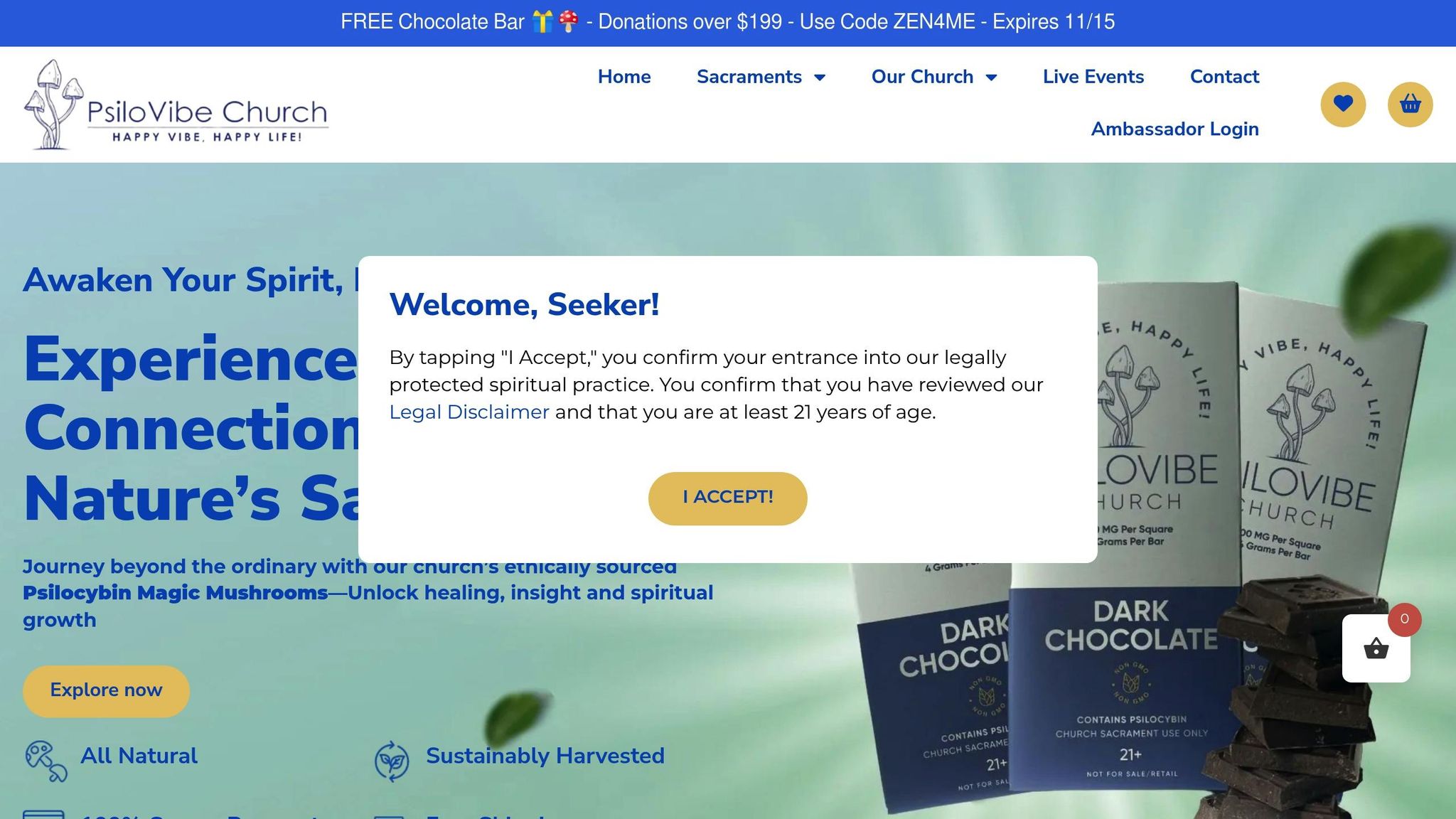
Psilocybin Products for Microdosing
PsiloVibe Church offers a variety of psilocybin products tailored for microdosing. Their lineup includes capsules, psilocybin-infused chocolates, gummies, teas, and whole mushrooms, all designed with precise and reliable dosages.
For those new to microdosing or looking for a short-term option, the Trust Pack Ceremony provides a 2-week supply of 100mg capsules for $28.00, following a 4-days-on/3-days-off schedule. If you’re seeking a longer-term solution, the 100mg MicroCap Ceremony offers 30 vegan capsules for $55.00, ideal for subtle improvements in mood and focus.
For individuals who prefer alternatives to capsules, PsiloVibe Church offers psilocybin chocolates, each square containing 400mg of psilocybin, made with ceremonial-grade cacao and Callebaut Belgian chocolate. Their premium gummies, packed with 350mg per piece, ensure freshness and potency thanks to quality thermal packaging. These diverse options make it easy to find a format that suits your lifestyle and preferences.
All products are crafted from ethically sourced, sustainably harvested psilocybin mushrooms, ensuring they are completely natural. With dosages ranging from 100mg to 400mg, users can maintain precise control over their microdosing routine.
This variety not only offers flexibility but also aligns with a mindful and spiritual approach to microdosing.
Commitment to Quality and Spiritual Growth
PsiloVibe Church goes beyond providing products – they emphasize quality and spirituality in every aspect of their mission. Microdosing is presented as more than a wellness trend; it is considered a spiritual practice that fosters healing, mindfulness, and personal growth.
Their commitment to excellence is reflected in their use of sustainably sourced mushrooms and a meticulous manufacturing process. This ensures that products meet safety standards while respecting environmental principles.
The church’s philosophy centers on the safe and intentional use of psilocybin, offering guidance on proper dosages to encourage positive and meaningful experiences. By treating their products as sacred tools rather than simple supplements, PsiloVibe Church inspires users to engage in microdosing with respect and purpose. This holistic approach blends rigorous quality control with an emphasis on psilocybin’s potential for spiritual exploration and community connection.
Getting Started with PsiloVibe Church
Once you’ve explored PsiloVibe Church’s offerings, starting your microdosing journey becomes a guided and thoughtful process. They provide educational resources covering topics like dosage protocols, frequency recommendations, and intention-setting practices to help users prepare.
For beginners, the Trust Pack Ceremony is an excellent starting point. It includes clear dosing instructions and enough supply to establish a routine. Preparation and intention are key to a successful experience, and PsiloVibe Church supports this with detailed guidance and access to community resources.
The sense of community is a cornerstone of PsiloVibe Church. They offer support networks through online forums, group discussions, and mindfulness-focused events, creating opportunities for members to share experiences and support one another throughout their microdosing journeys.
Additionally, PsiloVibe Church provides critical information about legal and safety considerations in the United States. They educate members on current psilocybin regulations and stress the importance of complying with local laws. Their safety guidelines also address potential risks, contraindications, and the value of consulting healthcare professionals when needed.
To get started, choose the products that align with your goals, review the provided educational materials, set clear intentions, and take advantage of the support available through PsiloVibe Church’s community. This thoughtful and structured approach ensures you can begin your microdosing journey with confidence and clarity.
Microdosing Psychedelics: Small is Big | JOSEPH ROOTMAN | TEDxLimassol
Starting Your Microdosing Journey
Embarking on a microdosing journey to address anxiety requires thoughtful planning and clear goals. Studies suggest that individuals who microdose psilocybin often report reductions in anxiety, depression, and stress over the course of a month compared to those who do not microdose. However, success hinges on approaching this practice with the right preparation and mindset.
Talk to a healthcare provider before getting started, especially if you have pre-existing mental health conditions or take other medications. While research on the effectiveness of microdosing is still limited, a healthcare professional can help you determine if it’s a suitable option for your situation and how it might complement your current treatment plan.
Set clear intentions for why you’re microdosing. Whether your goal is to ease panic attacks, manage work-related stress, reduce social anxiety, or process trauma, writing down your objectives can help you track progress. Research shows that having positive expectations about microdosing can influence outcomes. Regularly reviewing your goals keeps you focused on what you hope to achieve. Once your intentions are clear, you can move on to creating a safe and manageable dosing schedule.
Start small and go slow. For beginners, a low dose – typically 0.1 grams or less of dried mushrooms – is recommended. Many find this amount effective without overwhelming effects. Stick to a structured schedule; most people microdose 1 to 4 times per week. Keep a detailed journal to document your experiences, noting the date, dose, baseline anxiety level, and any effects throughout the day. This habit not only helps you fine-tune your protocol but also provides valuable insights if you need to discuss your experience with a healthcare provider.
Stay informed about safety and legal considerations. Psilocybin laws vary by state, so research your local regulations before starting.
For those looking for guidance, PsiloVibe Church offers a supportive environment to begin your microdosing practice. Their Trust Pack Ceremony provides a 2-week supply of psilocybin along with dosing instructions and educational resources. This structured approach, combined with community support, can be especially helpful for beginners. As PsiloVibe Church explains:
"When used in a controlled, supportive, and spiritual environment, psilocybin has been shown to be safe for most people. Our PsiloVibe Church promotes safe and spiritual use of psilocybin and its proper suggested dosage to fully enjoy the sacrament’s effects."
Beyond symptom relief, consider embracing microdosing as a spiritual practice. Incorporating psilocybin into a routine of meditation, prayer, or chanting can deepen your experience, encouraging personal growth and a stronger connection to the divine. This intentional approach can amplify the therapeutic benefits and foster meaningful transformation.
While many report improved mood and focus, it’s important to listen to your body. If you notice increased anxiety or discomfort, adjust your dose or frequency, or pause altogether and consult your healthcare provider.
Give yourself time and patience. Research suggests that it takes at least a month to notice patterns and evaluate progress. Your microdosing journey is a deeply personal exploration, offering the chance not only to manage anxiety but also to cultivate mindfulness, spiritual growth, and self-awareness. With the right preparation, you can begin this path with confidence and clarity.
FAQs
How can microdosing psilocybin help with anxiety and emotional well-being?
Microdosing psilocybin has been associated with reducing anxiety by encouraging emotional release, relieving mental tension, and creating a sense of calm. It may help individuals navigate emotional barriers, making it easier to process trauma, embrace forgiveness, and develop greater self-compassion.
Many who try microdosing describe feeling more grounded and connected, which can contribute to stronger emotional resilience and a deeper sense of inner peace. While individual experiences differ, microdosing is often viewed as a way to support mindfulness and improve emotional clarity.
What legal factors should I consider before starting a psilocybin microdosing routine?
Before starting a microdosing routine with psilocybin, it’s crucial to be aware of the legal status in your area. In the United States, psilocybin is classified as a controlled substance, but its legality can differ depending on the state or even the city. Some places have chosen to decriminalize its use, while others continue to enforce strict bans.
In certain cases, psilocybin use may be legally protected for religious or spiritual practices. If you’re planning to include psilocybin in a spiritual routine, make sure you’re following state laws and any specific protections for religious use. Take the time to research thoroughly or consult a legal expert to understand your rights and obligations completely.
Are there any health conditions or safety concerns to consider before microdosing psilocybin?
Microdosing psilocybin isn’t a one-size-fits-all approach and may not be appropriate for everyone. For instance, individuals with a history of serious mental health conditions – like schizophrenia or bipolar disorder – should proceed with caution and consult a healthcare professional beforehand. Similarly, if you’re on medications that influence serotonin levels, such as antidepressants, it’s essential to discuss possible interactions with your doctor.
Your safety should always come first. Make sure to seek personalized guidance from a qualified professional before starting any microdosing routine.