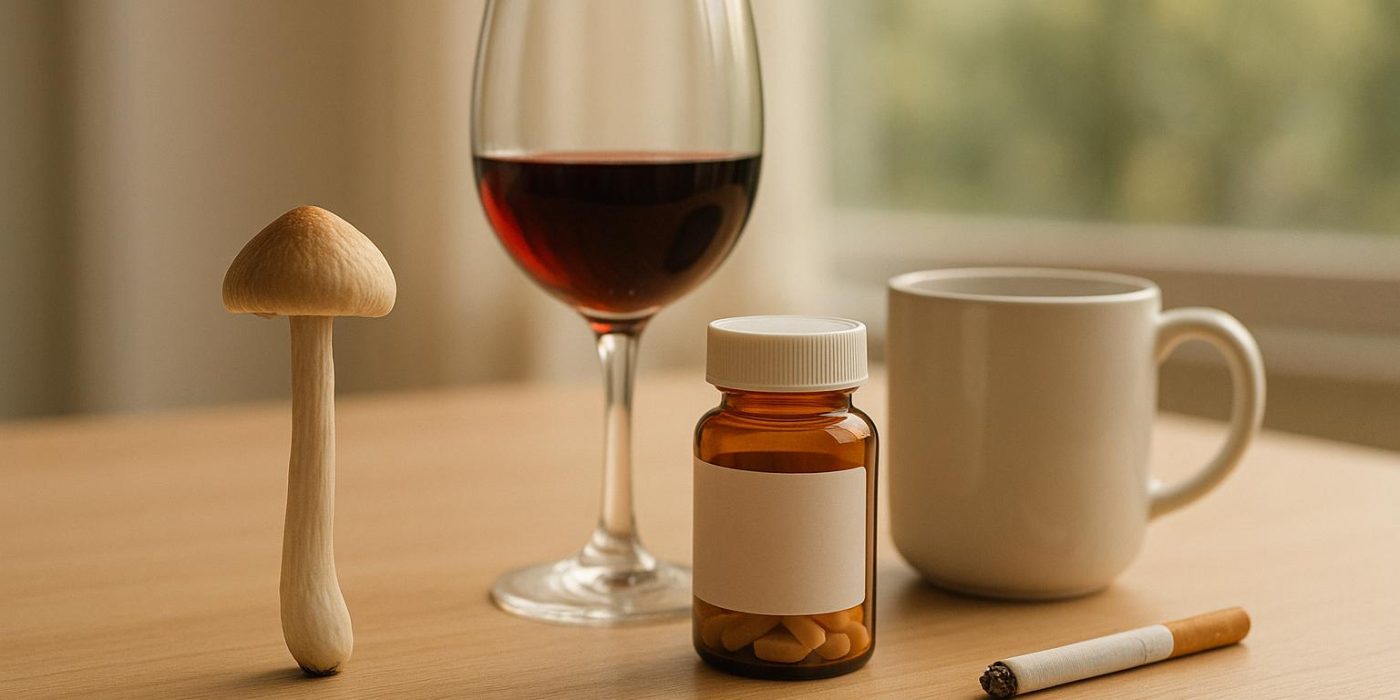
Psilocybin, found in "magic mushrooms", is generally safe when used alone, with only 0.2% of users requiring emergency care. However, combining it with other substances can lead to serious risks, including physical complications, psychological distress, and even life-threatening conditions like serotonin syndrome. Here’s what to avoid:
- Stimulants (e.g., cocaine, MDMA): Increases heart strain, anxiety, and risk of serotonin syndrome.
- Other Hallucinogens (e.g., LSD, DMT): Amplifies mental and physical effects, causing confusion, panic, and potential overheating.
- Antidepressants (e.g., SSRIs, MAOIs): Raises serotonin levels dangerously, risking seizures or coma.
- Alcohol: Impairs judgment, increases nausea, and can dull psilocybin’s effects.
- Opioids: Heightens sedation, slows breathing, and may lead to overdose.
Mixing these substances undermines psilocybin’s therapeutic or spiritual potential and poses significant health dangers. Always prioritize safety and consult a professional if unsure.
Psychedelics & Psychotropics: Drug Interactions & Clinical Approach with Dr. Ben Malcolm
1. Stimulants (Cocaine, Amphetamines, MDMA)
Mixing psilocybin with stimulants is a risky combination. While psilocybin on its own has a strong safety record – only 0.2% of users out of 12,000 surveyed required emergency medical treatment – adding stimulants like cocaine, amphetamines, or MDMA greatly increases the chances of harmful effects.
Physiological Risks
Both psilocybin and stimulants affect the cardiovascular system by raising heart rate and blood pressure. When combined, these effects can intensify, leading to severe hypertension and tachycardia. This heightened strain on the heart and blood vessels can result in serious complications like heart attacks or seizures. The added stress from stimulants makes the situation even more dangerous.
Psychological Risks
Stimulants amplify psilocybin’s effects, often resulting in overstimulation, confusion, and severe anxiety. Many users report intense panic attacks and heightened paranoia, making it nearly impossible to maintain the calm, reflective state needed for a safe psilocybin experience. These psychological challenges can quickly escalate, turning a trip into a deeply distressing ordeal.
Potential for Life-Threatening Conditions
One of the most serious risks of combining these substances is serotonin syndrome, particularly when MDMA is involved. This condition occurs when serotonin levels in the brain spike to dangerous levels, causing symptoms like rapid heart rate, high blood pressure, excessive sweating, and muscle twitching. In extreme cases, body temperature can soar above 104°F, leading to shock, cardiac arrest, or even coma.
Impact on Psilocybin’s Therapeutic or Spiritual Efficacy
Beyond the immediate health risks, stimulants can disrupt the therapeutic or spiritual purposes of psilocybin. The heightened anxiety and overstimulation caused by stimulants make it difficult to achieve the calm, introspective state crucial for personal growth and healing. For those using psilocybin in spiritual practices, such as at PsiloVibe Church, the interference from stimulants can significantly diminish the intended benefits.
2. Other Hallucinogens (LSD, DMT, Mescaline)
Mixing psilocybin with other hallucinogens like LSD, DMT, or mescaline can lead to overlapping effects that significantly increase risks. These substances interact with similar serotonin receptors, which means their combined use can magnify their impact on the body and mind. This heightened interaction can quickly escalate into dangerous situations, even medical emergencies. Below, we’ll explore the physiological, psychological, and life-threatening risks of these combinations.
Physiological Risks
Combining psilocybin with other hallucinogens puts additional strain on the cardiovascular system. This can result in a faster heart rate, higher blood pressure, and physical symptoms such as shivering, excessive sweating, muscle twitching, and dilated pupils. In severe instances, body temperature can soar to dangerous levels – sometimes exceeding 104°F. Such extreme hyperthermia can lead to shock, seizures, cardiac arrest, coma, or even death.
Psychological Risks
On the psychological front, mixing these substances can amplify mental effects, often in unpredictable ways. Users may experience heightened overstimulation, confusion, and panic attacks. The combined effects can create a chaotic mental state, making anxiety and paranoia more intense. Frightening hallucinations and severe disorientation can impair judgment, increasing the likelihood of risky or harmful behavior.
Potential for Life-Threatening Conditions
One of the most serious risks of combining psilocybin with other hallucinogens is serotonin syndrome. This condition occurs when serotonin levels in the brain become dangerously high, and it can be life-threatening. Early symptoms include a rapid heart rate, elevated blood pressure, and muscle twitching, but the condition can quickly escalate to seizures, cardiac arrest, and coma. The likelihood of requiring emergency medical attention is far greater with this combination than with psilocybin alone.
Impact on Psilocybin’s Therapeutic or Spiritual Efficacy
Beyond the immediate health risks, mixing psilocybin with other hallucinogens can interfere with its therapeutic or spiritual benefits. Cross-tolerance between these substances is common, meaning that recent use of LSD, DMT, or mescaline can dull or alter psilocybin’s effects. This can disrupt the calm, introspective state often needed for meaningful spiritual or therapeutic experiences. For groups like PsiloVibe Church, which emphasize psilocybin’s role in personal growth and spiritual connection, such interference undermines its purpose. Additionally, the chaotic and overwhelming nature of these combined experiences can make them difficult to process, negating the potential for personal or spiritual development.
3. Antidepressants and Serotonergic Medications (SSRIs, MAOIs, SNRIs)
After addressing the risks associated with stimulants and hallucinogens, it’s important to understand how serotonergic medications add further complications when combined with psilocybin. Medications like selective serotonin reuptake inhibitors (SSRIs), monoamine oxidase inhibitors (MAOIs), and serotonin-norepinephrine reuptake inhibitors (SNRIs) all influence serotonin levels in the brain. Psilocybin, which also interacts with serotonin receptors, can create dangerous reactions when used alongside these drugs. One of the most serious risks is the development of serotonin syndrome.
Physiological Risks and Life-Threatening Conditions
Serotonin syndrome is the most severe risk of combining psilocybin with serotonergic medications. This condition occurs due to dangerously high serotonin levels in the brain and can manifest through symptoms like a rapid heart rate, high blood pressure, agitation, confusion, dilated pupils, muscle stiffness, and shivering. If untreated, these symptoms can escalate quickly. In extreme cases, body temperature can spike above 104°F, leading to seizures, irregular heart rhythms, or even loss of consciousness. Without timely medical care, serotonin syndrome can be fatal. Additionally, excessive serotonin can interfere with normal neurological functions, causing seizures and vomiting.
MAOIs pose an even greater danger when paired with psilocybin since they prevent serotonin breakdown, causing it to build up rapidly and significantly increasing the risk of serotonin syndrome.
Psychological Risks
The psychological risks of mixing psilocybin with antidepressants are also serious. Users may experience confusion, intense anxiety, or even panic attacks. This combination can lead to what’s commonly referred to as a "bad trip", marked by overwhelming fear, paranoia, and sometimes brief psychotic-like episodes. People with pre-existing mental health conditions or those taking multiple medications are particularly vulnerable.
Impact on Psilocybin’s Therapeutic or Spiritual Efficacy
Antidepressants, especially SSRIs, can diminish or completely block psilocybin’s psychoactive and therapeutic effects by occupying serotonin receptors. This means individuals might face all the risks of adverse drug interactions without gaining the potential therapeutic or spiritual benefits of psilocybin.
For those using psilocybin in spiritual practices, full transparency about medications is crucial. It’s essential to consult with a healthcare professional and disclose all medications before participating in such experiences.
"However, individuals with certain mental health conditions, or those on specific medications, should consult with a medical professional before participating." – PsiloVibe Church
Lastly, the time it takes for SSRIs and MAOIs to clear from the body varies, making medical supervision critical during any transition period.
sbb-itb-a39e8e6
4. Alcohol
Mixing alcohol with psilocybin introduces a range of risks that can jeopardize both safety and the desired outcomes, particularly for those seeking a mindful or spiritual experience. The depressant effects of alcohol can clash with psilocybin’s hallucinogenic properties, leading to unpredictable and often dangerous results.
Physiological Risks
The combination of alcohol and psilocybin can trigger physical side effects like nausea, vomiting, muscle weakness, and impaired coordination. It may also increase heart rate and blood pressure, which can strain the body. In more severe cases, this mix can lead to convulsions and heightened reflexes, raising the chances of accidents or injuries. These physical symptoms often set the stage for further psychological challenges.
Psychological Risks
This pairing can amplify confusion and panic, often resulting in "bad trips" characterized by frightening hallucinations and a distorted sense of reality. Impaired judgment during this state only adds to the danger, increasing the likelihood of risky or harmful behavior.
Potential for Life-Threatening Conditions
The combined effects of impaired coordination and judgment significantly raise the risk of accidents and injuries. Additionally, psilocybin can mask the effects of alcohol, leading users to drink more than they realize, which increases the risk of alcohol poisoning.
Impact on Therapeutic or Spiritual Efficacy
For those exploring psilocybin for its therapeutic or spiritual benefits, alcohol can be a major obstacle. It often dulls psilocybin’s effects, reducing its potential for emotional insight or healing. Some users report that alcohol diminishes the intensity of psilocybin, prompting them to consume more of either substance in an attempt to enhance the experience. This not only undermines the purposeful use of psilocybin but also poses additional safety risks.
Experts in harm reduction and medical professionals strongly discourage combining psilocybin with alcohol. Research shows that nearly 60% of college students who used magic mushrooms also mixed them with other substances, with alcohol frequently contributing to negative experiences.
5. Opioids
Combining psilocybin with opioids poses serious risks due to their conflicting effects on the central nervous system.
Physiological Risks
One of the most alarming dangers is respiratory depression. Both substances affect the central nervous system, but opioids, in particular, can significantly slow breathing, potentially to life-threatening levels. While opioids tend to lower heart rate and blood pressure, psilocybin might slightly elevate them, leading to unpredictable cardiovascular reactions. This combination can also heighten sedation, impairing motor skills and increasing the likelihood of accidents or injuries. Beyond these physical dangers, the psychological effects are equally concerning.
Psychological Risks
When taken together, these substances can cause confusion, disorientation, and impaired decision-making. Opioids’ sedative effects can create a mental fog that clashes with psilocybin’s mind-expanding properties, disrupting the ability to process its effects fully.
Additional Concerns
Another critical issue is the risk of contamination. Psilocybin products may be adulterated with synthetic opioids like fentanyl, a substance linked to a significant number of overdose-related deaths in the United States. According to recent CDC data, fentanyl is involved in over 70% of these fatalities. Even tiny amounts of fentanyl can cause a fatal overdose, making it essential to source psilocybin from reliable, tested providers.
Impact on Psilocybin’s Therapeutic or Spiritual Efficacy
The combination of these substances can severely undermine psilocybin’s therapeutic and spiritual benefits. Opioids’ numbing and sedative effects interfere with the emotional clarity and introspection that are key to psilocybin’s healing potential. Organizations like PsiloVibe Church highlight the importance of using psilocybin intentionally and respectfully, emphasizing that mixing it with opioids detracts from its conscious and purposeful use.
Medical professionals and harm reduction advocates strongly discourage combining psilocybin with opioids due to the unpredictable and potentially dangerous outcomes.
Quick Reference: Mixing Risks
Here’s a quick guide to the potential risks of combining psilocybin with other substances. Use this table to understand the dangers and symptoms associated with mixing.
| Substance Category | Primary Mixing Risks | Symptoms/Complications |
|---|---|---|
| Stimulants (Cocaine, Amphetamines, MDMA) | Extreme cardiovascular strain; risk of heart attack or seizures | High blood pressure, rapid heartbeat, seizures, potential heart attack |
| Other Hallucinogens (LSD, DMT, Mescaline) | Potentially fatal serotonin syndrome; unpredictable psychological effects | Shivering, sweating, muscle twitching, dilated pupils, dangerously high body temperature (up to 104°F), seizures, coma, or death |
| Antidepressants/Serotonergic Medications (SSRIs, MAOIs, SNRIs) | Severe serotonin syndrome; neurological complications | Confusion, agitation, muscle stiffness, fever, vomiting, heart issues, seizures, or coma |
| Alcohol | Elevated accident risk; increased likelihood of panic or "bad trips" | Nausea, vomiting, panic attacks, headaches, numbness, impaired judgment, convulsions |
| Opioids | Respiratory depression; higher overdose risk; impaired motor function | Extreme drowsiness, slowed breathing, increased accident risk, potentially fatal overdose |
Emergency Warning Signs: If you or someone else experiences chest pain, difficulty breathing, high fever, severe confusion, seizures, or loss of consciousness, seek medical help immediately.
For those seeking spiritual or therapeutic benefits from psilocybin, it’s critical to avoid mixing it with other substances. The focus should always be on creating a safe, controlled environment for the experience.
Conclusion
Using psilocybin responsibly is key to preserving its therapeutic and mindful benefits. Research shows that psilocybin is relatively safe when taken on its own, but combining it with substances like stimulants, other hallucinogens, antidepressants, alcohol, or opioids can lead to serious complications. These risks include cardiovascular strain and potentially life-threatening serotonin syndrome. This highlights the importance of safe practices for both physical health and meaningful personal experiences.
The benefits of psilocybin – such as emotional healing, self-discovery, and expanded awareness – come from intentional and mindful use. Mixing it with other substances disrupts this process and undermines its purpose. This is why informed and careful use is essential.
It’s also important to note that psilocybin remains a Schedule I substance under federal law, which calls for extra caution and awareness when considering its use.
"When used in a controlled, supportive, and spiritual environment, psilocybin has been shown to be safe for most people", says PsiloVibe Church. "However, individuals with certain mental health conditions, or those on specific medications, should consult with a medical professional before participating."
Organizations like PsiloVibe Church provide valuable guidance on how to use psilocybin safely and intentionally. From structured ceremonies to educational resources, they help individuals explore psilocybin’s potential while minimizing risks.
The journey to healing and personal growth with psilocybin demands respect, preparation, and mindfulness. By avoiding risky combinations and practicing safe use, you can protect its ability to inspire and heal.
FAQs
What are the warning signs of serotonin syndrome when combining psilocybin with other substances?
Serotonin syndrome is a serious condition that can happen when psilocybin is combined with substances that boost serotonin levels. These substances include some antidepressants like SSRIs and MAOIs, as well as recreational drugs like MDMA. Symptoms to watch for include confusion, agitation, rapid heart rate, elevated blood pressure, muscle stiffness, tremors, and in severe cases, seizures or loss of consciousness.
If you or someone else shows these signs after mixing substances, seek medical help immediately. It’s crucial to talk to a healthcare provider before using psilocybin, especially if you’re on medications or other substances that might interact with it.
What happens if you combine psilocybin with alcohol?
Mixing psilocybin with alcohol can take away from the therapeutic and spiritual effects that psilocybin is known for. Alcohol, being a depressant, can disrupt psilocybin’s ability to encourage mindfulness and self-reflection, which might result in an experience that feels less meaningful or even unpleasant.
On top of that, using these substances together can heighten the chances of side effects like nausea, dizziness, or poor decision-making. This can create safety concerns, especially during a psilocybin journey. To ensure a safer and more enriching experience, it’s best to steer clear of alcohol when using psilocybin-based sacraments.
Why is mixing psilocybin with opioids dangerous, and what safety measures should be taken?
Combining psilocybin with opioids poses serious risks due to the unpredictable way these substances interact. Opioids suppress the central nervous system, which can result in dangerous side effects like severe respiratory problems, excessive sedation, or even overdose when mixed with psilocybin’s mind-altering effects. Additionally, this combination can amplify emotional instability, potentially leading to unsafe behaviors or negative mental health outcomes.
For your safety, it’s crucial to avoid opioids during any psilocybin experience. Always approach psilocybin use with caution, ensuring you’re in a controlled and supportive setting. If you’re currently taking medications or other substances, consult a qualified healthcare provider beforehand to minimize potential dangers.