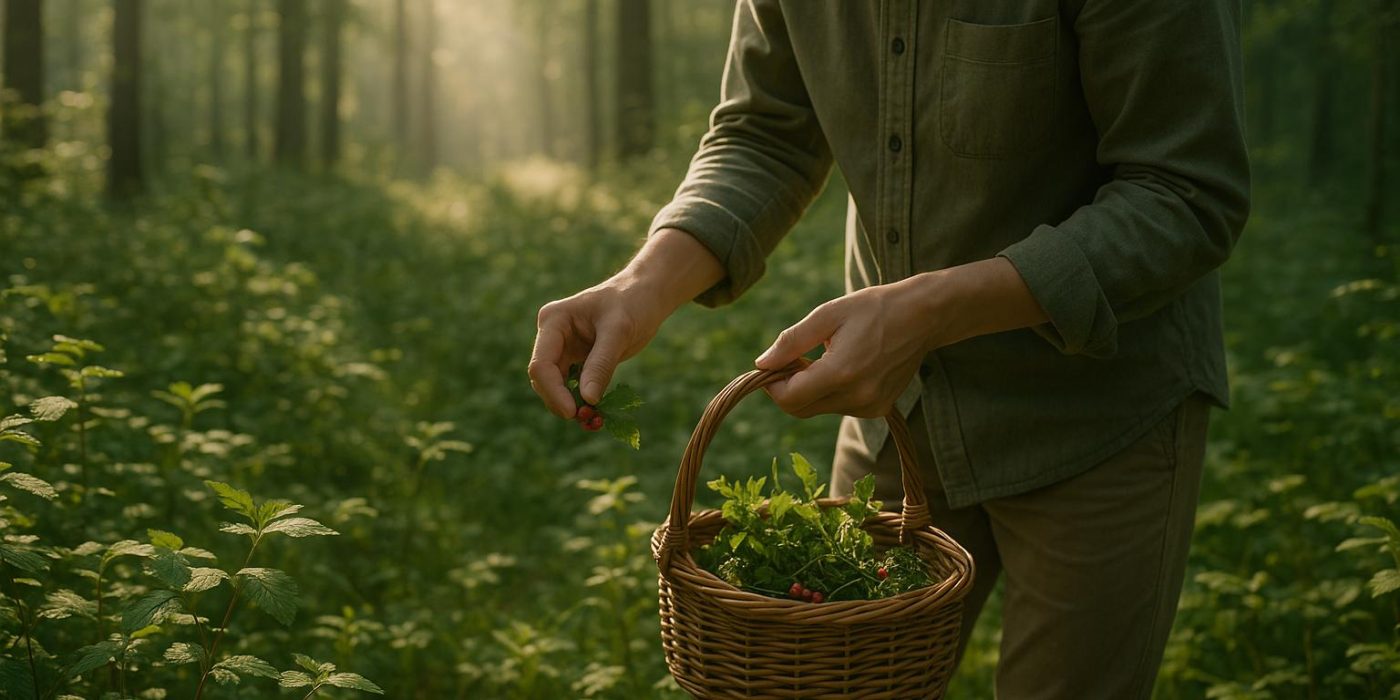
Wild foraging is rewarding but comes with responsibilities. To forage safely and respectfully, you need the right tools, accurate identification skills, and an understanding of ethical practices. Missteps, like overharvesting or consuming toxic species, can harm ecosystems and put your health at risk. Here’s what you need to know:
- Gear Essentials: Use mesh bags or baskets for collection, a reliable mushroom guide (physical or digital), and safety equipment like maps, a compass, and a first aid kit.
- Identification Rules: Always verify species using multiple sources. Toxic mushrooms often resemble edible ones. Techniques like spore printing and checking gill structures are key.
- Harvesting Etiquette: Leave at least half of what you find to support regrowth. Avoid foraging in polluted or restricted areas.
- Legal Compliance: Know local foraging laws and limits. Some regions require permits or restrict collection entirely.
- Mindful Foraging: Approach nature with care – stick to trails, tread lightly, and leave no trace.
Foraging isn’t just about collecting food; it’s about respecting nature and ensuring its resources remain available for everyone. Always prioritize safety, sustainability, and legal guidelines.
5 Ethics for Foragers : Foraging is a Relationship, with Obligations to Other Foragers & The Wild
Tools and Supplies for Foraging
Having the right gear can make or break your foraging adventure. The tools you choose not only help you identify and collect safely but also ensure you leave nature as undisturbed as possible. Your gear should focus on three main goals: identifying correctly, collecting responsibly, and keeping yourself safe. Here’s what to pack before heading out.
Mushroom Identification Guides
A good identification guide is your best friend when foraging. Mushrooms can vary greatly from one region to another, and some have toxic lookalikes, so it’s crucial to use a guide specific to your area. Physical field guides are especially handy in remote locations where cell service might be unreliable. These guides, often priced between $15 and $30, are usually created by local mycological societies or experts and include detailed photos, habitat descriptions, and warnings about dangerous species.
While digital tools like iNaturalist and Mushroom Observer can supplement your knowledge, a printed guide is indispensable when you’re off the grid. And remember, if you’re unsure about a mushroom’s identity, it’s better to leave it behind than to risk a mistake.
Once you’ve got your guide, think about how you’ll collect your finds.
Collection Containers
The container you choose plays a big role in both the quality of your harvest and the health of the ecosystem. Mesh bags and baskets are excellent options – they allow mushrooms to breathe and let spores fall to the ground as you walk, helping future growth. On the other hand, plastic bags trap moisture, which can make mushrooms soggy and spoil faster while also preventing spore dispersal.
Mesh foraging bags, often priced between $10 and $25, are popular for their practicality, while traditional wicker baskets offer great airflow and a classic look, though they can be a bit bulkier to carry.
Safety and Navigation Gear
Once you’ve gathered your identification tools and containers, make sure you’re prepared to travel safely. Navigating wild areas requires essentials like a map, a compass, and either a GPS device (which can cost between $100 and $300) or a smartphone with offline maps.
A first aid kit is a must, stocked with bandages, antiseptic, pain relievers, and any personal medications. Dress appropriately for the conditions: sturdy hiking boots for rough terrain, layered clothing for changing weather, a wide-brimmed hat for sun protection, and rain gear if there’s a chance of showers.
A mushroom knife with a built-in brush (typically $12 to $30) is a great tool for harvesting and cleaning on the spot. Don’t forget other essentials like extra water, snacks, a flashlight, and a power bank for your devices.
Finally, always let someone know your route and expected return time. For remote trips, consider carrying a walkie-talkie or an emergency beacon to ensure help is accessible if needed. With the right preparation, you’ll not only enjoy the thrill of foraging but also return home with amazing finds and wonderful memories.
Safety and Identification Protocols
Identifying mushrooms correctly is not just important – it’s essential. Mistaking a toxic mushroom for an edible one can lead to serious illness or even death. Many poisonous varieties look strikingly similar to their edible counterparts, so it’s crucial to follow a precise method that leaves no room for error.
Accurate Identification Techniques
A reliable way to identify mushrooms is by using a three-point method: checking color, shape, and spore print. Start by examining the color of the cap, gills, and stem, and observe any changes when the mushroom is bruised or cut. Next, assess the shape, which includes the overall structure, the cap’s edge, and how the gills connect to the stem.
Creating a spore print is another important step. Place the mushroom cap, gill side down, on a sheet of white paper for several hours. The color of the spores left behind will help confirm the mushroom’s identity.
Take the Golden Chanterelle as an example. It stands out with its golden hue, vase-like shape, and white spore print. However, its toxic lookalike, the Jack-o’-lantern mushroom, differs in key ways. For instance, the Jack-o’-lantern has true gills instead of the chanterelle’s forked ridges and even emits a faint glow in the dark.
Never base your identification on a single feature. For instance, prized morels are often confused with false morels. The difference? True morels are completely hollow inside, while false morels have chambered interiors. This small detail can make all the difference in avoiding a dangerous mistake.
Always consult at least two reliable identification sources before consuming any wild mushroom. If there’s even the slightest uncertainty about a mushroom’s identity, don’t eat it. Some toxic species look so much like edible ones that even seasoned foragers can slip up.
Once you’ve mastered identification, the next step is choosing a safe environment for foraging.
Avoid Contaminated Areas
Even if you’ve identified a mushroom correctly, the environment where it grows can make it unsafe to eat. Mushrooms act like sponges, soaking up heavy metals, pesticides, and other harmful substances from their surroundings.
Avoid foraging near roadsides, where mushrooms are exposed to vehicle emissions, road salt, and chemicals used for ice control. Similarly, industrial zones often have polluted soil and air that can contaminate mushrooms. Agricultural fields and landscaped areas are also risky due to the potential presence of pesticides and herbicides, which remain harmful even after cooking.
For the best results, focus on wild, untouched areas far from human activity. National forests, state parks, and other protected areas (where foraging is allowed) are excellent options. The farther you are from roads, buildings, and treated land, the safer the mushrooms are likely to be.
Pay attention to visual and sensory clues when choosing a foraging spot. Steer clear of areas with visible pollution, chemical odors, or unhealthy-looking vegetation. If the surroundings seem compromised, move on to a cleaner location.
Harvest Only for Personal Use
Responsible foraging isn’t just about safety; it’s also about sustainability. Harvesting only what you need helps preserve local mushroom populations, ensures wildlife has enough to eat, and maintains the balance of the ecosystem.
Many public lands enforce limits on mushroom harvesting to prevent over-collection. For example, Mt. Hood National Forest requires permits for anyone gathering more than one gallon of mushrooms per day or 10 gallons per year. These rules are designed to protect both the environment and the fungi themselves.
When you discover a productive patch, leave at least half of the mushrooms behind. This allows the fungi to reproduce and keeps the ecosystem healthy. Focus on picking mature mushrooms that have already released their spores.
Foraging also has a deeper, spiritual element. Groups like PsiloVibe Church highlight the sacred nature of mushrooms and encourage foragers to approach the practice with mindfulness and respect. This philosophy promotes taking only what you need and appreciating the interconnectedness of the natural world.
Finally, even after correctly identifying a mushroom, always cook it thoroughly. Cooking eliminates bacteria and parasites that may be present, adding an extra layer of safety to your foraging experience.
Ethical Harvesting Practices
Ethical foraging is about respecting nature while ensuring that ecosystems remain healthy and productive for the future. By practicing responsible harvesting, we can enjoy nature’s gifts without harming its delicate balance.
Minimizing Habitat Disturbance
The forest floor is home to a complex and fragile mycelium network that takes years to develop. To protect this hidden infrastructure, stick to established trails whenever possible. If you must step off the path, tread lightly and carefully, especially in areas where young mushrooms or tender vegetation are growing. Every step matters.
Avoid raking the forest floor to uncover mushrooms, particularly in conifer forests. This practice can severely damage the mycelium network, reducing future harvests significantly. Instead, crouch down and scan the area visually to identify mushrooms without disturbing the soil.
When harvesting, use a sharp knife to cut mushrooms at the base rather than pulling them out. This method protects the mycelium and allows the remaining stem to decompose naturally, continuing to nourish the fungal network.
Be especially cautious during wet conditions. A soft or muddy forest floor is more vulnerable to damage, and soil compaction can harm both the mycelium and the overall health of the ecosystem. If the ground feels too soft, it’s best to postpone your foraging trip for a drier day.
Once you’ve minimized disturbance, shift your attention to harvesting in a way that supports regeneration.
Selective and Responsible Harvesting
Prioritize harvesting mature mushrooms that have already released their spores. This helps ensure the fungi can reproduce and sustain their populations. Always leave at least half of the mushrooms behind to maintain the local ecosystem and provide food for wildlife that depends on them.
Before foraging, research whether any species in your area are endangered. Many regions have lists of protected fungi, so consult local field guides or conservation organizations to stay informed.
Use breathable containers, like baskets, for collecting mushrooms. As you walk, spores can naturally fall through the openings, aiding in their dispersal and encouraging future growth.
This thoughtful approach aligns with the principles of organizations like PsiloVibe Church, which emphasize the sacred and ecological importance of mushrooms. Their dedication to sustainably harvested products reflects a deep respect for both the environment and the spiritual significance of fungi.
After harvesting responsibly, make sure to follow Leave No Trace principles to preserve the forest’s natural integrity.
Leave No Trace Principles
The Leave No Trace philosophy is as essential to mushroom foraging as it is to hiking or camping. Ensure you leave no evidence of your visit by packing out everything you bring in, including food scraps, tissues, and tools.
Avoid creating new trails or shortcuts through sensitive areas. If you need to mark your path for safety, use temporary, biodegradable markers – and be sure to remove them before leaving. The goal is to leave the forest looking untouched.
Take the opportunity to clean up as you go. Removing any debris you encounter helps preserve the pristine environment. Be mindful of your surroundings – don’t break branches, damage bark, or disturb nesting areas, as even small disruptions can have far-reaching effects on the ecosystem.
Lastly, share your knowledge and lead by example. When you meet other foragers, demonstrate responsible practices. The future of wild mushroom populations depends on fostering a collective commitment to conservation and respect for nature’s delicate balance. By working together, we can ensure these treasures remain abundant for generations to come.
sbb-itb-a39e8e6
Legal and Location Considerations
Once you’ve mastered ethical and mindful harvesting, it’s equally important to stay within legal boundaries. Adhering to local foraging laws not only helps you avoid fines or penalties but also ensures that nature remains protected for future generations. This legal awareness goes hand in hand with the sustainable practices we’ve already discussed.
Know and Follow Local Foraging Laws
Foraging laws are complex and vary widely depending on where you are. They can be dictated by federal, state, county, or even park-specific rules. Take Mt. Hood National Forest in Oregon, for example, where individuals can collect up to 1 gallon of mushrooms per day (with a 10-gallon annual cap) for personal use without needing a permit. In contrast, certain forests in Washington require permits and enforce strict daily limits.
Before heading out, always check the official website of the land management agency responsible for your chosen area. Agencies like the U.S. Forest Service, Bureau of Land Management, and state park departments often provide detailed resources, including brochures, maps, and FAQs about foraging rules. Local organizations, such as the Puget Sound Mycological Society, are also excellent sources for up-to-date information on harvest limits, permitted days, and other guidelines specific to Washington State forests.
It’s also critical to understand the distinction between personal and commercial foraging. Most areas allow limited personal harvesting without a permit, but commercial foraging typically requires a special permit, which often comes with higher fees and stricter regulations. Ignoring these rules can lead to hefty fines, confiscation of your harvest, or even criminal charges, depending on the severity of the violation.
Additionally, some areas may be off-limits entirely due to legal or ecological restrictions.
Avoid Protected or Sensitive Areas
Certain areas, like national parks, national monuments, wilderness zones, and conservation areas, often prohibit foraging altogether to safeguard delicate ecosystems. For instance, the Mount St. Helens National Volcanic Monument has a strict no-foraging policy for mushrooms, and many state parks enforce similar restrictions to protect their ecological balance.
When foraging, stick to legally designated wild areas and always get permission if you plan to harvest on private property. Trespassing without the landowner’s consent can lead to legal trouble, so it’s essential to confirm property boundaries and obtain written permission beforehand.
If you’re venturing into unfamiliar territory, keep an eye out for posted signs indicating restricted zones, and consider using GPS apps to ensure you stay within legal boundaries. When in doubt, contact local land management agencies or park offices for clarification. Staying on marked trails is another way to minimize your impact on the environment, especially in areas with sensitive habitats that support the fungi you’re collecting.
By respecting these rules, you help preserve the environment while ensuring your foraging remains a safe and enjoyable activity.
Forage During the Right Season
Timing is everything when it comes to foraging. Harvesting mushrooms during their natural fruiting seasons not only supports their reproduction but also keeps you in compliance with local regulations. For example, morels commonly appear in the spring, king boletes thrive in late summer, and chanterelles are best found in the fall across the western United States. Foraging outside of these seasons can disrupt the fungi’s life cycle and reduce future yields.
To pinpoint the best times for specific species, consult regional field guides, join local mycological societies, or browse online resources. Participating in guided forays or local foraging groups can also give you real-time insights into seasonal conditions, ensuring you’re harvesting at the right moment. Some areas may even enforce seasonal restrictions to protect mushroom populations during peak growth or to manage heavy visitor traffic.
Spiritual and Mindful Foraging Practices
Foraging isn’t just about gathering food – it’s also an opportunity to connect with nature on a deeper, more personal level. Beyond the legal and ethical aspects, foraging can become a spiritual and mindful practice that fosters a profound relationship with the natural world and with yourself.
Recognizing the Spiritual Significance of Mushrooms
Mushrooms have long been symbols of transformation, connection, and the mysteries of nature in cultures across the globe. Indigenous peoples in the Americas, for example, have used specific mushroom species in sacred rituals to inspire visionary experiences and a sense of unity with the environment.
But the spiritual significance of mushrooms isn’t limited to ceremonial use. When you see mushrooms as essential contributors to the ecosystem, your approach to foraging naturally becomes more thoughtful and intentional. Mushrooms play a crucial role in maintaining soil health and supporting forest regeneration. Acknowledging this before you harvest fosters a sense of humility and gratitude, turning a simple act into a meaningful, spiritual experience.
Practicing Mindfulness While Foraging
Mindful foraging is about slowing down and immersing yourself fully in the moment. Instead of rushing, take time to notice the textures of the forest floor, the scent of the air, and the subtle growth patterns around you. This practice not only enhances your safety but also enriches your connection with nature.
Moving gently and respectfully through the environment allows you to pick up on small details, like the faint signs of a good foraging spot. It also deepens your awareness of how mushrooms interact with their surroundings, helping you appreciate the interconnectedness of life.
Many foragers find value in changing their perspective – kneeling down to examine mushrooms at eye level or viewing them from different angles. This not only sharpens your ability to identify species but also encourages a meditative focus that quiets the mind.
Gratitude is another key element of mindful foraging. Before harvesting, pause for a moment to acknowledge the gift you’re receiving. Some foragers even incorporate small rituals, like a moment of silence or a simple thank-you to the land. These practices help maintain a sense of respect and awareness, reminding you that you’re not just taking but participating in nature’s cycle.
Supporting PsiloVibe Church‘s Mission
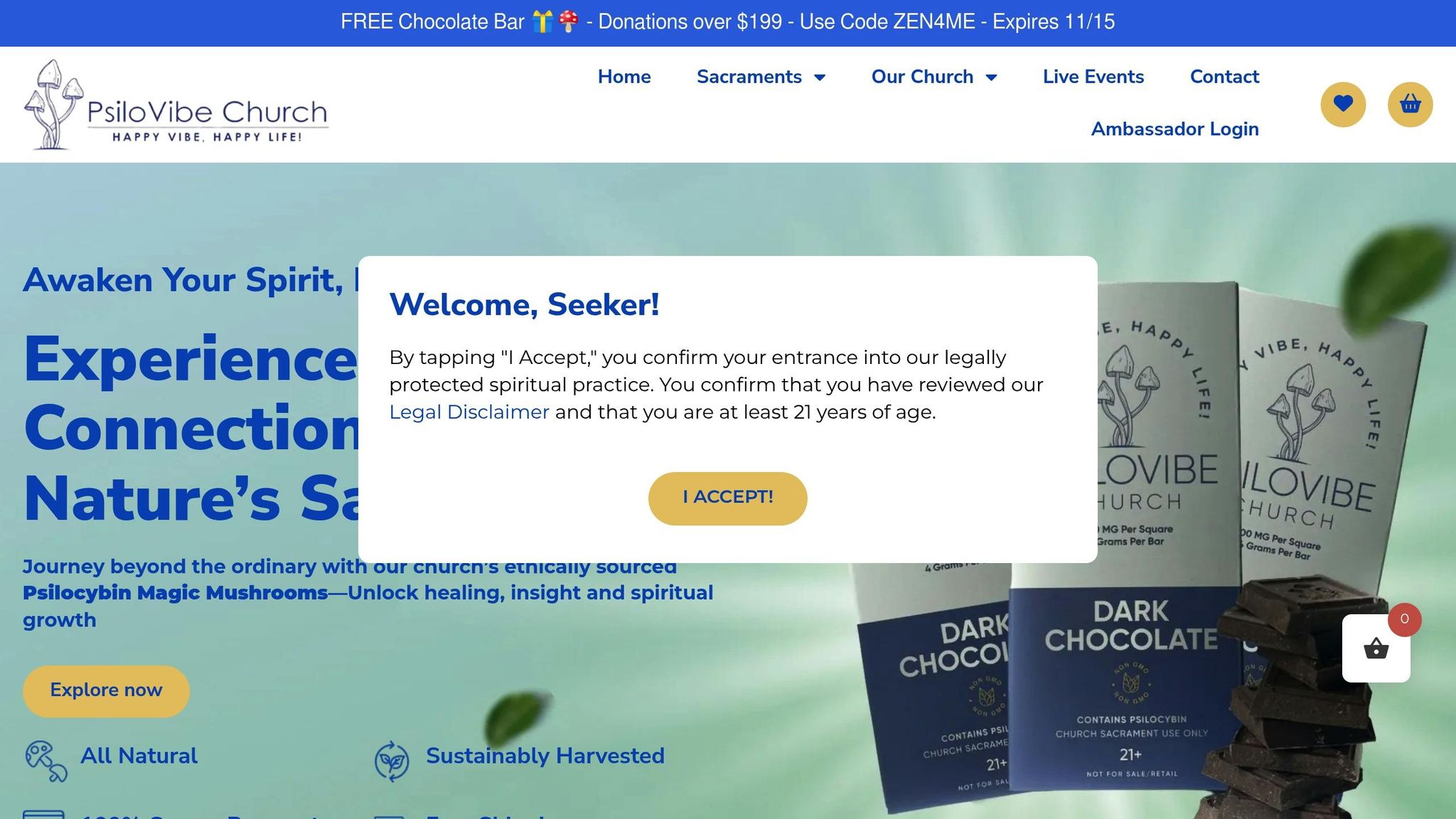
Organizations like PsiloVibe Church exemplify how foraging can align with spiritual growth, mindfulness, and healing. The church views psilocybin mushrooms as a sacred gift from nature, offering a pathway to connect with the universe and explore the inner self.
By approaching foraging with reverence and humility, you join a tradition that honors the profound spiritual potential of natural substances. PsiloVibe Church emphasizes ethical and sustainable harvesting practices, demonstrating how spiritual values can guide responsible interaction with the environment.
The church incorporates intentional practices such as prayer, meditation, and mindfulness into their use of natural substances. This structured approach offers a model for transforming foraging into a sacred experience. Whether you’re harvesting mushrooms for food, medicine, or ceremonial purposes, doing so with intention and gratitude elevates the act into something more meaningful.
Conclusion and Key Takeaways
Foraging responsibly means blending safety, care for the environment, and a sense of mindfulness to respect both nature and yourself. Key practices include correctly identifying species, taking only what you need, leaving enough behind for regrowth, and adhering to local laws. These habits not only safeguard wild resources for the future but also protect ecosystems and personal safety.
A great example of this is the Pacific Northwest Mushroom Foragers Club. In 2022, their "harvest half, leave half" approach led to a 15% increase in patch regeneration.
To stay safe and minimize harm, always verify the species you collect to avoid toxic varieties, steer clear of polluted areas, and use tools like mesh bags that let spores spread naturally. These small steps contribute to both your safety and the health of the environment.
Mushrooms play a critical role in maintaining ecological balance and are often seen as sacred gifts. Groups like PsiloVibe Church view them as tools for fostering mindfulness and healing, which inspires a deeper respect for nature’s offerings.
Simple techniques, such as leaving part of a mushroom patch untouched, using breathable containers, and being mindful of your movements in the forest, all contribute to maintaining healthy ecosystems.
FAQs
What are the key steps to safely identify mushrooms while foraging?
Identifying wild mushrooms demands careful observation and a solid understanding, as some varieties can be harmful or even fatal. To ensure you’re identifying mushrooms correctly, use a trusted field guide or seek advice from an expert. Pay close attention to features like the mushroom’s shape, color, gills, and growing environment. Look for unique characteristics such as a ring around the stem or a volva at the base.
For beginners, joining a local mycology group or signing up for a guided foraging class can be a great way to gain hands-on experience from seasoned foragers. And here’s the golden rule: if you’re uncertain about a mushroom’s identity, do not eat it. Prioritizing safety is key when enjoying the treasures of the wild.
What steps can I take to forage responsibly without harming the environment?
Responsible wild foraging is about treading lightly and ensuring your actions honor the balance of nature. Here’s how you can approach it thoughtfully:
- Learn to identify plants and fungi: Make sure you can accurately recognize edible species and steer clear of anything endangered or protected. Misidentification can harm both you and the ecosystem.
- Respect the ‘leave no trace’ principle: Avoid overharvesting and leave enough behind to support wildlife and allow plants to regenerate naturally.
- Use the right tools: Equip yourself with a small knife, basket, or reusable bag to gather items carefully without causing unnecessary harm to the surroundings.
- Prioritize safety: Dress appropriately for the terrain, carry a first-aid kit, and always inform someone about your plans before heading out.
By foraging responsibly, you help safeguard natural habitats and ensure these resources thrive for years to come. If you’re drawn to the spiritual aspects of nature, mindful harvesting can deepen your connection to healing and personal growth.
What legal rules should I check before foraging in the wild?
Before you start gathering wild plants or mushrooms, take a moment to familiarize yourself with the rules in your area. Many places have restrictions on foraging, especially in public parks, forests, or protected areas. If you’re considering foraging on private property, always make sure you have clear permission from the landowner.
It’s also crucial to know if any plants or fungi in your region are classified as protected or endangered. Harvesting these could result in fines or other penalties. When you’re unsure, reach out to your local parks department or wildlife agency – they can provide the guidance you need. Staying informed not only keeps you on the right side of the law but also ensures your foraging remains responsible and respectful.