Stay Safe with a Psychedelic Safety Checklist
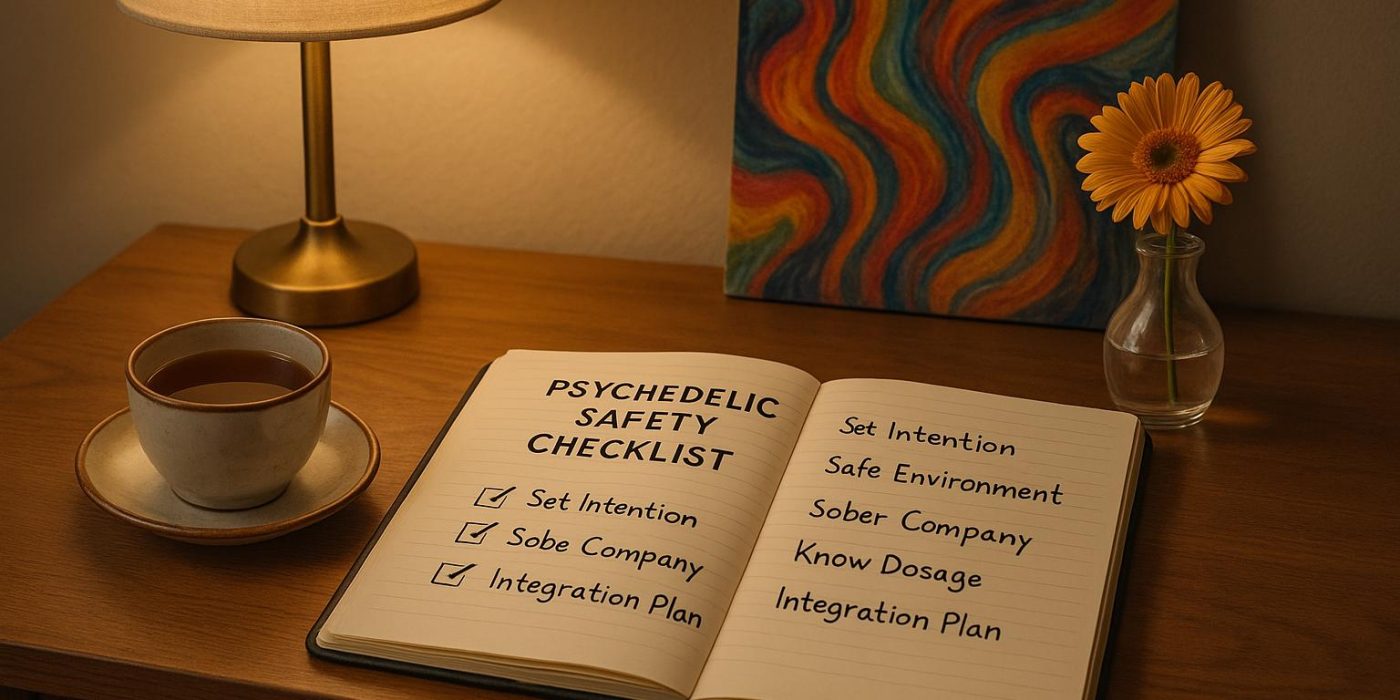
When embarking on a journey with substances like psilocybin or LSD, preparation is everything. A well-thought-out approach can make the difference between a transformative experience and a risky one. That’s where a tailored safety guide comes in handy, helping you navigate the complexities of mental, physical, and environmental factors before you begin.
Why Preparation Matters
Psychedelics are powerful tools that demand respect. Without proper planning, you might overlook critical details—like ensuring your setting feels secure or double-checking for potential health risks. A personalized harm reduction plan can highlight precautions specific to your chosen substance and context, whether you’re exploring solo or with a trusted group. It’s not just about avoiding pitfalls; it’s about setting the stage for insight and growth.
Beyond the Basics
Safety isn’t a one-size-fits-all deal. Different substances carry unique considerations, and your surroundings play a huge role in how things unfold. Taking a few minutes to assess your readiness can bring peace of mind. From legal awareness to having a supportive friend nearby, small steps add up. If you’re curious about crafting a mindful approach to your next journey, tools like this can offer clarity and structure without overwhelming you.
FAQs
Why do I need a safety checklist for psychedelics?
Psychedelics can be powerful, and their effects vary widely based on the substance, your mindset, and your environment. A safety checklist helps you cover all the bases—think of it as a way to minimize risks like bad trips or health complications. It prompts you to consider things you might overlook, like checking for medication interactions or ensuring you’ve got a trusted person nearby if things get intense. Safety isn’t about fear; it’s about creating space for a meaningful experience.
Can this tool replace professional medical advice?
Nope, and we want to be super clear about that. This checklist is purely informational—a starting point to help you think through key safety aspects. It’s not a substitute for talking to a doctor, therapist, or other qualified professional, especially if you’ve got pre-existing health conditions or are on medications. Always consult an expert if you’re unsure about anything related to your physical or mental well-being.
How does the checklist adapt to my inputs?
We’ve designed this tool to be as relevant as possible to your specific plans. When you pick a substance like ayahuasca or LSD, and a setting like solo or guided, the tool tweaks the checklist to match. For example, a solo trip might emphasize having a trip sitter on call, while a group setting might highlight communication with others. It’s all about giving you practical, context-specific tips to keep things safe and grounded.