

Psychedelic churches are religious organizations that use substances like psilocybin and ayahuasca as sacraments for spiritual growth, healing, and mindfulness. These groups face significant legal, financial, and societal challenges in achieving recognition, especially in the U.S., where federal laws classify psychedelics as illegal substances. Despite protections under the Religious Freedom Restoration Act (RFRA), gaining exemptions from agencies like the DEA has been difficult.
Key points:
- Legal Hurdles: Psychedelic churches must prove that their practices are central to sincere religious beliefs to gain RFRA protections. However, the DEA has yet to voluntarily grant exemptions for psychedelic use.
- Tax Issues: Many churches are denied 501(c)(3) tax-exempt status due to conflicts with federal drug laws.
- Public Perception: Overcoming stigma requires transparency, safety protocols, and community engagement.
Successful examples like Santo Daime and União do Vegetal show that persistence, legal action, and clear religious frameworks can lead to recognition. Churches like PsiloVibe focus on safety, education, and ethical practices to navigate these challenges. Starting a psychedelic church involves legal filings, safety measures, and building trust within local communities while addressing both state and federal laws.
Police Were Wrong to Raid Psychedelic Church: Utah Mushroom Church Wins Landmark Legal Victory
Legal Framework for Psychedelic Churches
Understanding the legal framework is crucial for any psychedelic church aiming to operate within the law. These organizations face the challenge of balancing federal drug laws with the protections offered by religious freedom, a delicate and often complex intersection.
Federal Laws and Religious Protections
Under the 1970 Controlled Substances Act (CSA), most psychedelics – such as psilocybin, LSD, and DMT – are classified as Schedule I substances. This classification makes their possession, distribution, or use illegal under federal law. For psychedelic churches, this creates a significant legal obstacle, as the prohibition applies across the board, including to religious groups.
However, the Religious Freedom Restoration Act (RFRA) of 1993 provides a potential avenue for exemptions. RFRA protects individuals and organizations from government actions that place a substantial burden on their sincere religious practices, unless the government can prove a compelling reason and show that its actions are the least restrictive way to achieve its goal. For churches seeking RFRA protection, they must demonstrate that the use of psychedelics is a core component of their religious practices.
The process is far from straightforward. Churches must disclose their activities involving controlled substances, risking prosecution in the process. Importantly, the DEA has never voluntarily granted a religious exemption for psychedelic use; all successful exemptions have been the result of court rulings.
These challenges have been pivotal in shaping legal precedents, as key cases have tested the boundaries of religious protections for psychedelic use.
Legal Cases for Religious Psychedelic Use
Several landmark court cases have influenced the legal status of psychedelics in religious practices. One of the most significant is Gonzales v. O Centro Espírita Beneficente União do Vegetal (2006). In this case, the Supreme Court ruled unanimously that the União do Vegetal (UDV) church could use ayahuasca as a sacrament under RFRA protections. This decision set an important precedent, demonstrating that religious groups could challenge federal drug laws if those laws placed a substantial burden on their sincerely held practices. Similarly, the Santo Daime church secured a court-ordered exemption in 2008, allowing them to use ayahuasca in their ceremonies.
Other cases highlight the difficulties faced by newer or less established groups. For instance, Soul Quest, a Florida-based organization, sued the DEA after years of waiting for a decision on its exemption request. The DEA ultimately denied the petition, questioning the group’s religious sincerity. The Iowaska Church faced a similar fate, with the IRS denying its 501(c)(3) tax-exempt status and the DEA rejecting its exemption request. These cases show that success often hinges on more than legal arguments – factors like long-standing traditions, organizational transparency, and community support can make a difference.
These legal battles highlight the steep challenges faced by psychedelic churches, particularly as state laws add another layer of complexity.
State vs. Federal Laws
While the CSA imposes a nationwide ban on most psychedelics, some states are beginning to carve out their own policies. For example, Colorado became the second state in 2022 to legalize and regulate psychedelics for adult use, following Oregon’s lead. Colorado’s laws now provide specific protections for natural medicines, which can benefit religious groups operating within the state.
However, the relationship between state and federal laws creates a complicated legal landscape. Even if a church complies with state regulations, it is not immune to federal enforcement. This dual-layered system means that churches must carefully navigate both state and federal laws, staying informed about legislative changes and understanding the specific protections offered in their state.
For psychedelic churches, mastering the legal framework is not just about compliance – it’s about managing risks and planning operations effectively in an ever-evolving legal environment. Members should closely study their state’s religious protections and remain vigilant as new legislation emerges.
How to Start and Run a Legal Psychedelic Church
Launching a psychedelic church is no small task. It requires navigating a maze of legal requirements while establishing a genuine religious framework. Many such organizations operate under unclear guidelines, but following a structured approach can help you avoid common mistakes and build credibility from the start.
Creating Religious Beliefs and Practices
At the heart of any psychedelic church is a set of sincere religious beliefs that treat psychedelic substances as sacred sacraments. This isn’t about casual or recreational use – your church must demonstrate a deep spiritual purpose. Courts and federal agencies will scrutinize your claims, so it’s crucial to document your beliefs thoroughly.
Your core religious principles should explain how substances like psilocybin or N,N-DMT serve as tools for spiritual growth. For example, these sacraments might be central to practices that promote mindfulness, emotional healing, expanded consciousness, or a sense of unity among members. To strengthen your case, detail how these substances are integrated into ceremonies, such as prayers, chants, or meditative rituals during retreats or gatherings. These practices should be so integral to your faith that removing them would fundamentally disrupt your religious mission.
Getting Legal and Tax-Exempt Status
Incorporating as a religious organization starts with filing articles of incorporation and drafting bylaws that focus on religious and charitable objectives. However, the path to obtaining 501(c)(3) tax-exempt status is far from straightforward. The IRS often denies this status to organizations engaging in activities that violate federal law, even if they claim religious grounds. This creates a dilemma: the IRS requires DEA exemptions for psychedelics, but the DEA has yet to grant such exemptions voluntarily. Successful cases, like those of the Santo Daime and União do Vegetal churches, only succeeded after extensive legal battles and court orders.
Still, many churches choose to incorporate without 501(c)(3) recognition. While this limits access to tax-deductible donations and traditional banking services, it doesn’t prevent religious activities. Some organizations pursue incorporation while simultaneously challenging legal restrictions or waiting for policy shifts. When applying for tax-exempt status, ensure your application includes detailed records of your religious practices, financial transparency, and community service efforts. The IRS pays close attention to whether your organization provides broader spiritual or charitable benefits beyond simply distributing psychedelics.
Creating Safe Sacrament Protocols
A well-thought-out sacrament protocol is essential for protecting both your members and your church’s reputation. Research shows that psilocybin is generally safe when used in a controlled, supportive, and spiritual setting. To ensure safety, establish clear dosage guidelines tailored to different sacramental forms – whether capsules, teas, chocolates, or raw mushrooms. Each preparation has unique dosing requirements, so document these protocols carefully and train facilitators to guide ceremonies responsibly.
Health screenings should be mandatory for participants. Some individuals, particularly those with certain mental health conditions or those taking specific medications, may need medical advice before engaging in psychedelic experiences. Additionally, discourage mixing psilocybin with other substances to minimize risks, and educate participants about potential drug interactions. Ethical sourcing is another critical element – partner with trusted suppliers who follow sustainable cultivation and harvesting practices.
Design ceremonial settings thoughtfully. Sacraments should be administered in sacred, secure spaces during structured events like retreats. Create an environment that fosters spiritual connection while preparing for challenges, such as difficult emotional experiences.
A great example is PsiloVibe Church, which emphasizes healing, mindfulness, and spiritual growth through the sacred use of psilocybin. By offering various sacramental forms and prioritizing safety and education, they demonstrate how to balance religious authenticity with participant well-being.
Establishing these protocols not only builds trust within your community but also helps you meet legal and ethical standards for operation.
sbb-itb-a39e8e6
Fighting Stigma and Building Community Trust
After diving into the legal frameworks, it’s equally important to tackle the stigma surrounding psychedelic churches and foster trust within the community. Changing public attitudes requires a thoughtful, strategic effort to address long-standing misconceptions. Churches that emphasize education, transparency, and meaningful community engagement can reshape perceptions, moving the conversation from skepticism to understanding.
Education and Transparency
One of the most effective ways to challenge stigma is through education. Many people still associate psychedelic churches with recreational drug use or question their spiritual legitimacy. These views often stem from decades of cultural stereotypes and media sensationalism.
To counter this, start by clearly explaining the sacred role of your substances in spiritual practice. For example, PsiloVibe Church highlights how psilocybin is used as a tool for healing, mindfulness, and spiritual exploration – not for recreational purposes. Emphasize how these sacraments are central to ceremonies and meditative practices, grounding them in a deeply spiritual framework.
Addressing safety concerns is another critical step. Share detailed information about your protocols for dosage, participant screening, and overall safety. This level of transparency shows your commitment to the well-being of your members, not just the use of substances.
Educational materials can also help shift public opinion. Reference scientific studies that demonstrate the therapeutic potential of psilocybin, particularly its positive effects on mental health. Hosting public events like seminars or Q&A sessions can provide an open forum for community members to learn about your practices and ask questions directly.
Don’t overlook the importance of legal transparency. Clearly explain your church’s legal standing, including steps taken to seek religious exemptions under the Religious Freedom Restoration Act (RFRA). While no psychedelic church has yet been approved by the DEA, recent federal court rulings – like the February decision in Utah supporting a mushroom church – can serve as examples to highlight your legal credibility.
Working with Local Communities
Building trust within the community means stepping beyond your congregation and engaging with the broader public. Consistent interaction with local organizations, faith groups, and leaders can help demonstrate that your church is a positive, contributing member of the community.
Interfaith dialogue is a powerful way to normalize your practices. By participating in interfaith councils or religious leader meetings, you can place your church within the broader conversation about religious freedom. Many established faith groups understand the importance of protecting minority religious practices, even if they don’t share your specific beliefs.
Another way to connect is through community service. Volunteering for local causes, organizing clean-up events, or offering workshops on mindfulness and mental health can show that your church is dedicated to more than just its sacraments. These activities highlight your commitment to the community’s well-being.
It’s also important to engage with local law enforcement and government officials. Be proactive in explaining your mission and addressing any legal or safety concerns. Sharing your safety protocols, participant screening processes, and emergency plans can help build trust and prevent misunderstandings.
Collaborating with harm reduction organizations and mental health professionals is another way to reinforce your credibility. These partnerships demonstrate your commitment to safe practices and ensure you have expert support when needed.
Media and Public Relations Tips
Managing your narrative in the media is essential. Without proactive communication, others may misrepresent your church’s mission and practices. Develop clear, evidence-based messaging about your values, safety measures, and spiritual goals, and actively engage with media outlets to ensure accurate coverage.
Seek out journalists and publications that have shown a balanced understanding of psychedelics. Building relationships with these professionals can lead to coverage that fairly represents your church’s beliefs and practices.
When faced with criticism, respond promptly and with evidence. Offer interviews or invite critics to learn about your practices through open houses or informational sessions. This approach is often more effective than reacting defensively and can help defuse hostility.
Crisis management planning is another important aspect of your media strategy. Be prepared with statements for potential challenges, such as medical emergencies, legal disputes, or negative press. Having a plan in place allows you to respond calmly and consistently during difficult situations.
Highlight positive legal developments in your communications. For instance, reference successful court cases and the growing number of rulings that favor religious psychedelic use. States like New York, Massachusetts, and Florida are seeing cases that could set important precedents.
Finally, share success stories from established groups like Santo Daime and União do Vegetal. These organizations have achieved legal recognition and community acceptance through transparency and consistent demonstrations of their religious sincerity. Their journeys offer valuable lessons for building legitimacy.
Consistency is key. Every interaction – whether it’s a social media post, a community meeting, or a media interview – should reinforce your core message: that your church is grounded in genuine spiritual practice, prioritizes safety, and contributes positively to the community. Over time, this steady approach can help dismantle the stigma that has long surrounded psychedelic religious practices.
Case Study: How PsiloVibe Church Builds Legitimacy
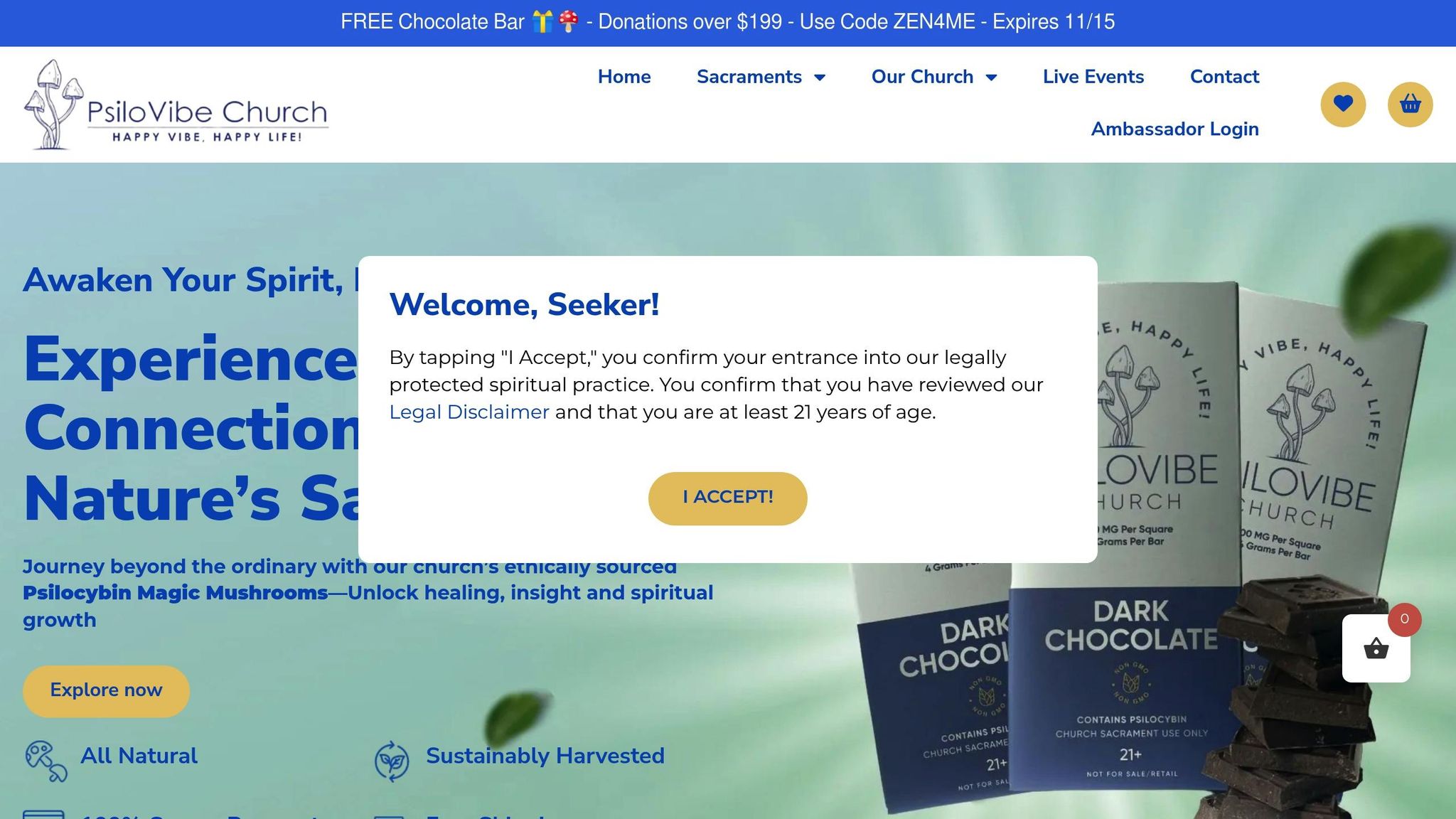
PsiloVibe Church offers a modern take on psychedelic spirituality, showing how a transparent, legally compliant religious organization can navigate tricky legal landscapes. As mentioned earlier, dealing with federal and state laws is no small task. PsiloVibe Church tackles these challenges with a strategy centered on openness, education, and strict legal adherence, helping it establish credibility.
PsiloVibe Church’s Mission and Offerings
Staying true to its mission, PsiloVibe Church maintains an open online presence at psilovibe.org, where it shares details about its spiritual practices and sacred offerings. The church provides a variety of sacraments to meet different spiritual needs, including psilocybin in several forms: capsules ranging from 100 mg microdoses to 400 mg macrodoses, psilocybin-infused chocolates made with ceremonial-grade cacao, 350 mg gummies, and whole mushrooms. Additionally, they offer N,N-DMT products, such as vape cartridges designed for 50–60 uses. This wide selection allows members to choose what best aligns with their spiritual goals and comfort levels.
The pricing structure reflects a balance between affordability and sustainability. For instance, the Trust Pack Ceremony, a 2-week supply of 100 mg capsules with a 4 days on/3 days off protocol, costs $28.00. For those seeking a deeper experience, the 400 mg MacroDose Ceremony is available for $110.00 for 30 capsules, while the DMT Journey Cartridge is priced at $149.00. These offerings not only address spiritual needs but also reflect the church’s commitment to transparency and ethical operations.
In addition to sacraments, PsiloVibe Church sells branded apparel and accessories. These items promote a sense of community and identity while providing additional revenue streams to support the church’s mission.
This focus on accessible sacraments is paired with a commitment to rigorous legal and operational standards.
Legal and Business Practices
PsiloVibe Church takes a forward-thinking approach to legal compliance, operating within frameworks that protect religious freedoms. The church relies on the Religious Freedom Restoration Act (RFRA) as the foundation of its legal strategy, ensuring its practices are safeguarded under both state and federal laws.
"As PsiloVibe and its members engage in sincere religious practices involving the Sacrament, we view these activities as protected under state and federal laws, including the Religious Freedom Restoration Act. Colorado law provides protections for the use of natural medicines, but members are responsible for understanding their own state’s religious protections. Members are encouraged to embrace religious participation with devout reverence and humility."
– PsiloVibe Church
The church also enforces strict age verification, requiring members to confirm they are at least 21 years old before accessing its services. This aligns with legal requirements and reflects emerging state regulations.
PsiloVibe Church emphasizes ethical sourcing and sustainable harvesting, ensuring the quality of its sacraments. Secure payment systems protect member privacy, while meticulous record-keeping supports compliance and helps demonstrate the sincerity of its religious practices in any legal situations.
Community Engagement and Education
PsiloVibe Church pairs its legal diligence with a strong focus on education to build trust and legitimacy. Its website features a library of educational content aimed at clearing up misconceptions and promoting safe practices. Recent articles include titles like "What is Psilocybin? The Magic in the Magic Mushroom" and "5 Substances to Avoid Mixing with Psilocybin."
The church also delves into cultural and historical perspectives in pieces like "Mazatec Shamanism and Psilocybin Ceremonies," connecting its practices to indigenous traditions and highlighting its dedication to informed and respectful psychedelic spirituality.
Safety is another key focus. The church’s FAQ section, "The Psilocybin Effect," explains how psilocybin can be safely used in a controlled, spiritual setting. It stresses the importance of proper dosing and encourages medical consultation when necessary. To further engage its community, PsiloVibe Church offers a newsletter that shares updates on events, services, and psilocybin-related news, fostering an ongoing dialogue with its members.
Key Points for Starting a Psychedelic Church
Launching a psychedelic church involves navigating a complex mix of legal, ethical, and community-focused steps. While there are roughly 500 psychedelic churches in the United States, nearly 97% lack full legal recognition – a stark reminder of the challenges involved in achieving legitimacy.
Start by clearly defining your sincere religious beliefs and formally organizing your church. Legal recognition requires filing petitions with the DEA and applications with the IRS, though success is rare. In recent years, the DEA has not granted any new church exemptions, often leaving petitions unresolved for extended periods.
The Religious Freedom Restoration Act (RFRA) provides strong legal protections when religious practices are rooted in genuine conviction rather than recreational use. To strengthen your case, implement thorough safety protocols, including participant screening, proper dosing, trained facilitators, and emergency response plans. Documenting these measures not only enhances safety but also bolsters your legal position. Additionally, sourcing your sacraments ethically and sustainably demonstrates a commitment to responsible practices.
Engaging with the local community is crucial. Build relationships with local officials, neighbors, and law enforcement by hosting educational events about your mission and safety measures. Participating in community service can further establish trust and highlight your positive contributions.
Financial transparency is another cornerstone of credibility. Keep religious activities separate from any commercial ventures and maintain detailed financial records. This is especially important given the IRS’s scrutiny of organizations that may be connected to federally illegal activities.
Recent legal developments offer some hope. In February 2024, a federal court in Utah ruled in favor of a mushroom church, with similar cases pending in New York, Massachusetts, and Florida. These rulings could pave the way for broader legal recognition, though each case requires significant legal effort and resources.
The ongoing Iowaska Church case illustrates both the challenges and potential of setting legal precedents. After being denied 501(c)(3) status in 2021 due to federal illegality, the church pursued litigation under RFRA. The outcome of this case could shape the future for other psychedelic churches.
Education plays a pivotal role in reducing stigma and building legitimacy. By publishing educational content, addressing misconceptions, and clearly explaining the spiritual purpose of your practices, you can foster greater understanding and support within your community.
Launching a psychedelic church demands patience, financial investment, and expert legal advice. Consulting attorneys who specialize in religious freedom and controlled substances law is essential. As public interest in psychedelic-assisted therapy and religious use grows, new opportunities for legal recognition may continue to emerge.
FAQs
How can a psychedelic church establish legal recognition under the Religious Freedom Restoration Act (RFRA)?
Psychedelic churches aiming for legal recognition under the Religious Freedom Restoration Act (RFRA) need to demonstrate that their practices stem from genuine religious beliefs and are central to their spiritual mission. This often involves proving that the use of sacred substances, such as psilocybin, is integral to their faith rather than for recreational purposes.
To build a stronger case, these churches can outline their spiritual framework in detail, create clear and structured guidelines for the use of sacraments, and seek guidance from legal experts familiar with religious freedom laws. Taking these steps can help them pursue legal protections and foster greater understanding and acceptance of their practices.
How can a psychedelic church overcome stigma and build trust in their community?
To counter public stigma and build trust, a psychedelic church should focus on education, openness, and active community involvement. By educating people about the spiritual and therapeutic benefits of psilocybin and stressing its safe and respectful use, misconceptions can be addressed and replaced with understanding.
Being transparent in practices – like providing clear, responsible guidelines for sacrament use – can also enhance credibility. Additionally, connecting with the local community through open discussions, events, or workshops offers a chance to share the church’s mission and values. Emphasizing themes like healing, mindfulness, and spiritual growth can help foster understanding and showcase the positive contributions of their work.
What safety measures should a psychedelic church follow to protect its members during ceremonies?
Psychedelic churches carry a responsibility to ensure the safety and well-being of their members during sacramental ceremonies. This involves putting thoughtful protocols in place, such as fostering a calm and supportive environment where participants can feel secure and focus on their spiritual journey.
Encouraging attendees to consult with a medical professional is essential, especially for those with pre-existing mental health conditions or who are taking medications that might influence their experience. Equally important is providing clear guidance on dosage and preparation, helping participants use psilocybin or other sacred substances in a safe and intentional manner.