

Psilocybin, a psychoactive compound found in certain mushrooms, is showing promise in addressing trauma-related conditions like PTSD and depression. Unlike traditional treatments, psilocybin interacts directly with serotonin receptors in the brain, fostering emotional processing and neural repair. Studies reveal:
- 80% of terminally ill patients reported relief from anxiety after one psilocybin session, with effects lasting over six months.
- A single 25 mg dose reduced depression severity scores by 12 points.
- Psilocybin enhances neuroplasticity, helping the brain form healthier emotional and behavioral patterns.
Legislation is catching up, with over 36 psychedelic-related bills introduced by 2025. Organizations like PsiloVibe Church combine psilocybin therapy with spiritual practices, offering products like capsules, chocolates, and teas to support healing. Early research suggests psilocybin could reshape trauma recovery by addressing the root causes of emotional pain.
Key Benefits of Psilocybin Therapy:
- Reduced fear and anxiety by calming the amygdala.
- Improved emotional regulation through prefrontal cortex repair.
- Long-term relief after just 1–2 sessions.
This article explores how psilocybin works, its effects on the brain, and its potential to transform trauma treatment.
Using psychedelics to treat depression and trauma | Compass | ABC News
How Trauma Changes the Brain
Trauma physically reshapes the brain, leaving a lasting impact on its structure and function. Three main areas – amygdala, hippocampus, and prefrontal cortex – are particularly affected. These changes help explain why trauma survivors often face intense and uncontrollable symptoms.
The amygdala, the brain’s alarm system, becomes overactive after trauma. Instead of reacting appropriately to real threats, it remains on high alert, triggering excessive fear responses, jumpiness, and a constant sense of danger.
Meanwhile, the hippocampus, which processes memories and regulates emotions, may shrink or lose some functionality. This can lead to fragmented or intrusive memories, where past trauma feels as immediate and vivid as the present, blurring the distinction between past and current experiences.
The prefrontal cortex, responsible for rational thinking and impulse control, becomes less active and connected. This diminished activity can impair decision-making and emotional regulation, making it harder to manage reactions and behavior. These changes highlight the importance of recovery strategies that harness the brain’s ability to adapt and rewire itself.
Trauma’s Effect on Neural Pathways
Trauma doesn’t just alter specific brain regions – it also creates deeply ingrained neural pathways that reinforce unhealthy patterns. These circuits perpetuate emotional and cognitive struggles, making it difficult for individuals to break free from trauma’s grip.
Research has shown how repeated trauma can carve rigid neural circuits, much like a well-trodden path. A 2013 study on mice revealed that trauma impaired hippocampal function and caused persistent fear responses. Even when the threat was removed, the mice couldn’t overcome their conditioned fear – an observation that mirrors symptoms of post-traumatic stress in humans.
These entrenched patterns often manifest as hypervigilance, emotional detachment, and avoidance behaviors. While these responses may have been protective during the trauma, they can later interfere with recovery and daily life. Post-traumatic stress disorder (PTSD) affects 6% to 8% of U.S. adults, and up to 50% of individuals exposed to severe trauma develop enduring symptoms tied to these altered pathways.
Neuroplasticity and Recovery
Despite the challenges, the brain’s ability to heal – known as neuroplasticity – offers hope. Neuroplasticity allows the brain to reorganize itself, forming new connections to counteract the rigid patterns caused by trauma.
Promoting neuroplasticity is key to recovery, as it helps repair damaged areas like the hippocampus and prefrontal cortex. This process supports the integration of healthier behaviors and gradually reduces the influence of traumatic memories.
Experts emphasize that the changes caused by trauma are at least partially reversible. Treatments that encourage neuroplasticity – such as psychotherapy, mindfulness, physical activity, and even emerging therapies like psychedelics – show promising results in restoring emotional balance and cognitive function.
| Brain Region | Trauma Effect | Recovery Potential |
|---|---|---|
| Amygdala | Overactive fear responses | Reduced hyperactivity |
| Hippocampus | Shrinkage, fragmented memories | Growth of new neurons, memory repair |
| Prefrontal Cortex | Decreased activity and connectivity | Improved connectivity, better regulation |
Certain treatments, like psilocybin therapy, have shown potential in stimulating dendritic growth and repairing synapses in the brain areas most affected by trauma. These interventions not only help alleviate symptoms but also address the root causes of trauma’s impact on the brain.
Understanding the effects of trauma on the brain is more than just theoretical – it’s a vital step in creating treatments that truly heal, rather than just managing symptoms. By targeting the brain’s capacity to adapt, recovery becomes a tangible possibility.
How Psilocybin Works for Trauma Healing
Psilocybin shows promise as a tool for addressing trauma by altering how the brain processes and responds to distressing experiences. It creates lasting changes at the neurological level, targeting the core issues behind trauma-related disorders. These transformative effects start with its interaction at the receptor level.
Psilocybin and Serotonin Receptors
Psilocybin interacts with serotonin receptors, particularly the 5-HT2A receptor. When these receptors are activated, significant changes occur in the brain: the cortex – responsible for complex thought – becomes more active, while rigid and repetitive thought patterns begin to break down. This shift can help trauma survivors confront and process painful memories with greater ease, often leading to emotional breakthroughs.
This receptor activation also promotes neural repair, allowing the brain to rebuild healthier pathways – counteracting the damaging effects of trauma.
Enhancing Neuroplasticity
One of psilocybin’s most striking effects is its ability to enhance neuroplasticity, which is the brain’s capacity to form new neural connections. Research shows that a single dose can lead to a 10% increase in dendritic growth within 24 hours, with these improvements lasting for up to a month. This effect is particularly strong in the prefrontal cortex, a region deeply affected by trauma. By forming new connections, the brain can develop alternative ways to process emotions and memories, helping trauma survivors move beyond harmful, ingrained patterns.
The rapid onset of these changes explains why many people experience long-term benefits after just one or two therapeutic sessions. These neural enhancements lay the groundwork for broader recalibration of brain circuits.
Altering Brain Circuits
Psilocybin also reshapes critical brain circuits involved in fear, memory, and emotional regulation. For instance, it reduces hyperactivity in the medial prefrontal cortex (mPFC), which is associated with overthinking and rumination. Additionally, it decreases amygdala responses to negative stimuli, helping to ease the heightened fear and anxiety often seen in trauma survivors.
Another key effect is the disruption of connectivity between the amygdala and the visual cortex. This change may reduce hypervigilance and the brain’s tendency to overreact to perceived threats. Here’s a closer look at these circuit-level changes:
| Brain Circuit | Trauma Effect | Psilocybin’s Action | Recovery Benefit |
|---|---|---|---|
| Medial Prefrontal Cortex | Overactive and prone to rumination | Decreased activity | Less negative thinking |
| Amygdala | Heightened fear responses | Reduced activation | Lower anxiety and fear |
| Amygdala-Visual Cortex | Increased threat detection | Disrupted connectivity | Reduced hypervigilance |
These adjustments create a period of heightened neuroplasticity, during which the brain is especially open to forming healthier emotional and behavioral patterns. This highlights the importance of a structured therapeutic environment, where skilled guidance can help integrate these changes and solidify their positive impact.
Research Results on Psilocybin Therapy
Clinical trials are shedding light on the potential of psilocybin-assisted therapy for addressing trauma-related conditions. The research highlights psilocybin’s role in promoting neuroplasticity, as previously discussed. Studies show notable improvements in symptoms of PTSD and depression, with many patients experiencing lasting relief after just one or two treatment sessions.
PTSD Treatment Results
Recent findings suggest psilocybin could offer significant relief for those living with PTSD, particularly individuals who haven’t responded to traditional treatments. For instance, a single psilocybin session combined with group psychotherapy has been shown to reduce PTSD symptoms in long-term sufferers. In controlled studies, 84% of participants reported positive outcomes. Patients often describe heightened emotional empathy, improved mindfulness, and a greater sense of acceptance surrounding their traumatic experiences. These results suggest psilocybin may hold promise for addressing trauma-related depression as well.
Psilocybin for Depression and Related Conditions
Psilocybin’s benefits extend beyond PTSD, showing rapid effectiveness in treating depression, especially when linked to trauma. Evidence suggests that psilocybin therapy can significantly alleviate depressive symptoms. A 2025 study reported that 75% of patients with depression responded positively to psilocybin therapy, with 58% achieving full remission at the 12-month mark. In this study, depression severity scores dropped from 22.8 to 7.7 after just two doses. Similarly, Phase 2 trials found that a single 25 mg dose could reduce depression rating scales by 12 points in treatment-resistant cases. Unlike traditional antidepressants – which can take weeks or months to show results – psilocybin therapy often brings relief within days, a critical advantage for trauma survivors dealing with persistent depression.
| Treatment Approach | Depression Remission Rate | Duration of Effect | Sessions Required |
|---|---|---|---|
| Psilocybin-assisted therapy | 58% | 12+ months | 1–2 sessions |
| Conventional antidepressants | Lower, variable | Requires daily use | Ongoing daily |
| MDMA-assisted therapy | N/A (PTSD focus) | Long-term | Multiple sessions |
Additional studies have explored psilocybin’s impact on survivors of AIDS, who participated in group therapy sessions. These individuals reported reduced symptoms of attachment anxiety and demoralization – conditions often tied to PTSD. Researchers believe psilocybin’s therapeutic effects stem from its ability to disrupt entrenched negative thought patterns while enhancing the brain’s capacity to form healthier neural connections. Many patients report a renewed ability to reframe traumatic memories and develop emotional regulation skills that persist long after the treatment session.
These findings highlight the potential of psilocybin-assisted therapy to reshape trauma treatment, offering hope to individuals who have struggled to find relief through conventional methods.
sbb-itb-a39e8e6
Integration in Trauma Recovery
Integration plays a key role in turning the immediate effects of psilocybin into long-term trauma recovery. While psilocybin promotes neuroplasticity and emotional breakthroughs, integration ensures these changes translate into lasting healing. Without it, the benefits can fade over time.
This process involves both preparation before the session and therapeutic support afterward. Together, these steps provide a structured framework that helps trauma survivors process their experiences safely and retain the progress achieved through psilocybin therapy.
Preparation and Setting Intentions
Preparation is essential for minimizing distress during sessions and maximizing their therapeutic potential. A well-structured preparation phase involves educating individuals about how psilocybin affects the brain and setting realistic expectations for the session. This knowledge can ease anxiety and build confidence, especially for trauma survivors.
Understanding psilocybin’s impact on the brain helps individuals feel more in control. Equally important is setting clear therapeutic intentions. Survivors should focus on specific goals, such as processing painful memories, reducing hypervigilance, or improving emotional regulation. These goals align with psilocybin’s ability to stimulate dendritic growth in prefrontal cortex neurons, a process linked to emotional healing.
Creating a safe, calm setting with trauma-informed therapists is also critical for fostering trust and promoting healing.
"When used in a controlled, supportive, and spiritual environment, psilocybin has been shown to be safe for most people." – PsiloVibe Church
This groundwork ensures the session is a stepping stone for meaningful integration afterward.
Integration Practices
The real work of trauma recovery often begins after the psilocybin session. Integration practices are designed to help individuals process the psychological and neurobiological shifts they experience and turn those insights into lasting changes.
Ongoing support is vital for maintaining progress, with benefits often lasting up to 12 months post-treatment. Trauma-informed therapists play a key role in helping individuals translate brain changes into meaningful behavioral improvements.
Practical tools like journaling and group therapy can be particularly effective. Journaling allows individuals to document fresh insights, creating a resource they can revisit throughout their recovery journey. Group therapy has also shown promise, with studies highlighting its positive effects on attachment anxiety and feelings of demoralization in individuals with PTSD.
Mindfulness and meditation practices further support recovery by helping individuals sustain the emotional regulation and heightened awareness gained during the session. These practices reinforce neuroplastic changes and help integrate healing intentions into daily life.
Therapeutic support should extend well beyond the immediate aftermath of the session. Follow-up sessions with therapists provide an opportunity to monitor progress, address new challenges, and ensure that initial breakthroughs lead to lasting emotional and behavioral improvements.
For those dealing with treatment-resistant trauma or complex PTSD, a combination of careful preparation, guided psilocybin sessions, and robust integration practices offers a comprehensive approach to healing. By addressing both the neurobiological effects of trauma and the psychological work needed for recovery, this method increases the chances of achieving sustained therapeutic benefits.
PsiloVibe Church: Supporting Spiritual and Emotional Healing
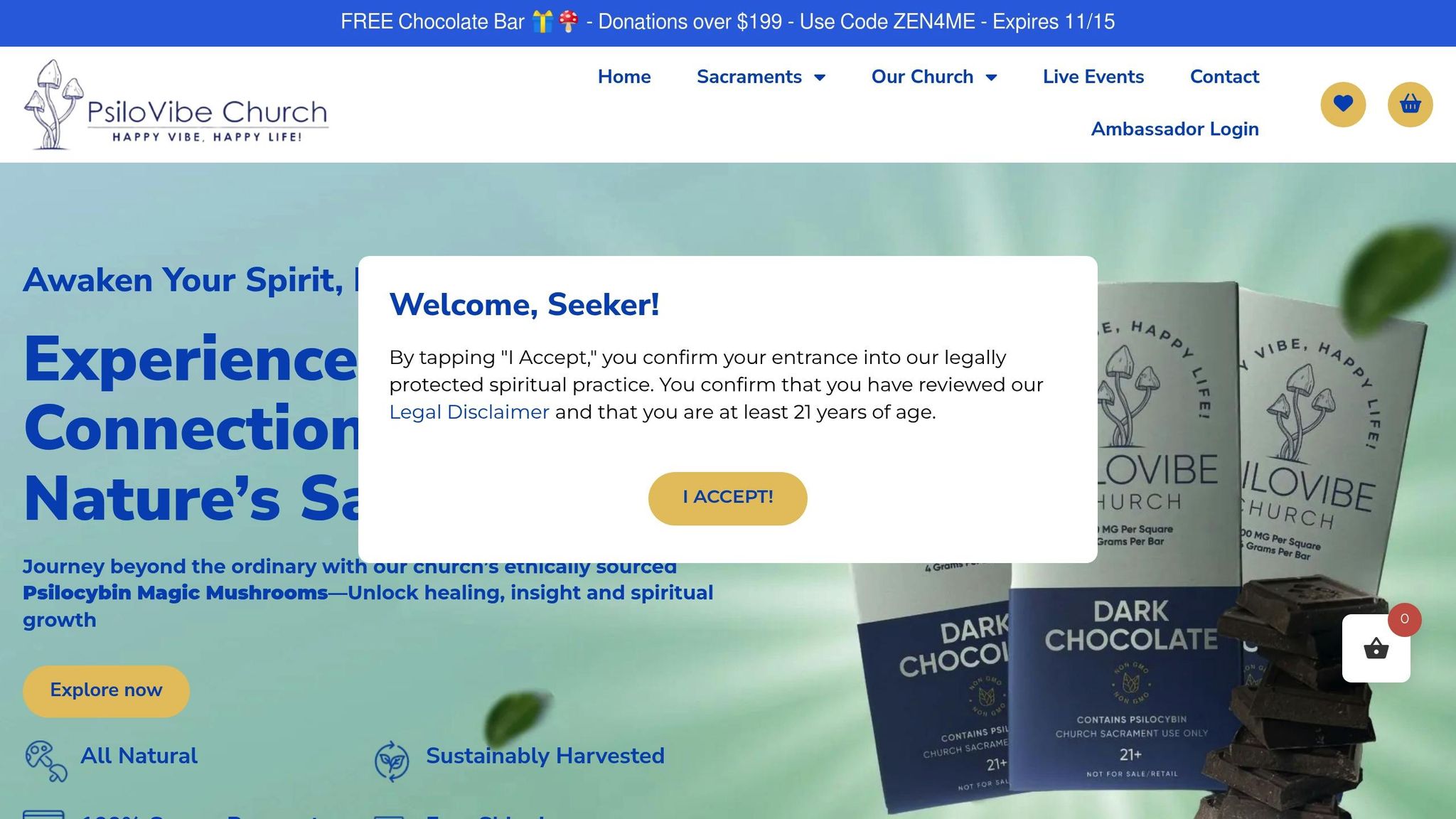
Building on the brain’s ability to adapt and heal, many people are turning to methods that nurture both their emotional and spiritual well-being. PsiloVibe Church provides a unique path that blends the therapeutic effects of psilocybin with sacred ceremonies, offering a space for profound healing and personal growth.
As a legally recognized spiritual practice in the United States, PsiloVibe Church uses psilocybin in a sacred context, emphasizing community, intentional rituals, and a connection to the divine. This approach acknowledges that recovering from trauma isn’t just about altering brain chemistry – it’s about healing the spiritual wounds that often accompany emotional pain. By combining scientific insights with ceremonial traditions, PsiloVibe bridges the gap between clinical therapies and spiritual renewal.
Research supports this approach, showing that spiritual or mystical experiences during psilocybin sessions often lead to better therapeutic outcomes. PsiloVibe’s structured ceremonies encourage participants to approach their healing with intention and reverence, amplifying the transformative effects of psilocybin.
Sacred Psilocybin-Based Sacraments
PsiloVibe Church offers a variety of ethically sourced psilocybin sacraments tailored to different needs and preferences in trauma recovery. These include capsules, chocolates, gummies, whole mushrooms, and teas, each designed for specific ceremonial uses.
- The Trust Pack Ceremony features 100 mg psilocybin capsules taken in a structured 4-days-on/3-days-off cycle, priced at $28.00 (rating: 4.61/5).
- For those exploring microdosing, 100 mg MicroCap Ceremonies are available for $55.00 (rating: 4.65/5), with a 200 mg option priced at $75.00.
- Macrodose ceremonies, using 400 mg capsules, cost $110.00 (rating: 4.64/5), offering experiences that can help break through emotional barriers tied to trauma.
Other options include psilocybin chocolates (400 mg per square) made with ceremonial-grade cacao for $50.00, and psilocybin gummies (350 mg per piece) also priced at $50.00. Additionally, PsiloVibe offers N,N-DMT products, recognizing the potential benefits of other entheogens for those on their healing journey.
Promoting Mindfulness and Spiritual Growth
PsiloVibe Church goes beyond simply providing psilocybin products – it aims to create transformative spiritual experiences that equip participants with lasting tools for emotional resilience and self-discovery.
"A psilocybin journey encourages deep mindfulness, heightening your awareness of the present moment." – PsiloVibe Church
This focus on mindfulness is particularly valuable in trauma recovery, helping individuals stay grounded and break free from patterns of hypervigilance or dissociation. The awareness cultivated during psilocybin ceremonies often leads to better emotional regulation in everyday life.
Ceremonies at PsiloVibe include guided prayers, chants, and meditative practices that create a safe and supportive environment for exploring difficult emotions and memories. This structure helps participants navigate the vulnerable process of healing while reducing the isolation that often accompanies trauma recovery.
"Psilocybin has the ability to expand our understanding of reality, shifting our perspective and dissolving the boundaries between the physical and the spiritual. It can lead to new insights about life, love, and the interconnectedness of all things." – PsiloVibe Church
Community is another cornerstone of PsiloVibe’s approach. Group ceremonies allow participants to share their journeys, witness each other’s growth, and build a sense of connection. This shared experience can reduce feelings of shame and foster hope, supporting not just individual healing but a sense of collective renewal.
"Psilocybin can offer many spiritual benefits, including a heightened sense of connection to the divine, a deeper understanding of oneself, and feelings of unity with the world. It is often used to enhance prayer, meditation, and reflection, providing clarity, insight, and healing from past emotional or spiritual wounds. Many people report life-changing realizations and a renewed sense of purpose after using psilocybin in a spiritual context." – PsiloVibe Church
PsiloVibe’s ultimate goal is to inspire growth and transformation that goes beyond alleviating symptoms. By fostering a deeper connection to the divine and a renewed sense of purpose, the church helps participants move from narratives of pain to stories of resilience and spiritual awakening. Through its structured ceremonies, PsiloVibe extends the healing power of psilocybin beyond the brain, touching the heart of emotional and spiritual recovery.
Future Research Directions
Psilocybin research is branching into new areas that could reshape how we approach trauma treatment and mental health care. Scientists are moving past initial safety studies to explore more complex therapeutic uses and long-term effects. These new directions are expanding our understanding of psilocybin’s potential.
New Clinical Studies
Building on earlier trauma-focused research, ongoing clinical trials are exploring psilocybin’s ability to address a variety of conditions. For example, studies indicate that psilocybin therapy may help reduce alcohol and tobacco use – addictions often tied to trauma.
Another promising area is the treatment of obsessive-compulsive disorder (OCD). A study at Yale is investigating psilocybin’s impact on OCD symptoms, with early results showing potential despite limited sample sizes. This research is particularly relevant for trauma survivors, as OCD behaviors can sometimes emerge as coping mechanisms after traumatic events.
Researchers are also examining whether psilocybin could disrupt cycles of intergenerational trauma. This study aims to see if the therapy can alleviate inherited psychological distress.
In a different area, a pilot study at UCSF is testing the effects of psilocybin on chronic low back pain in patients with deep brain stimulation devices. Researchers believe psilocybin might improve pain perception, cognitive function, and neural connectivity. Given the frequent overlap between chronic pain and trauma, this research could open up new treatment possibilities.
Mental Health Applications
Psilocybin’s potential extends beyond trauma recovery to a range of mental health challenges, including treatment-resistant conditions. Building on earlier findings that showed impressive remission rates, psilocybin appears to outperform conventional antidepressants in some cases.
In 2025, a Phase 3 trial involving 258 participants across 32 U.S. sites found that a single 25 mg dose of synthetic psilocybin significantly reduced depression symptoms without increasing suicidality. This marks a major step forward in psychedelic therapy research, potentially paving the way for FDA approval.
Another area of interest is emotional resilience. Using tools like neuroimaging and deep brain stimulation, researchers are seeing early signs of improved cognitive and emotional responses. These changes could lead to lasting improvements in stress management and emotional processing.
Psilocybin’s ability to reshape brain circuits is also under investigation. It has been shown to stimulate dendritic growth in the prefrontal cortex and promote neurogenesis in the hippocampus, which are key areas for emotional regulation and memory processing.
Research into end-of-life anxiety has yielded striking results as well. Roughly 90% of patients report a reduced fear of death after psilocybin treatment. Meta-analyses also show that psilocybin outperforms placebos in reducing anxiety, with effects lasting up to 4.5 years after just one session.
The regulatory environment is adapting to support this growing field. By 2025, over 36 psychedelic-related bills had been introduced across U.S. states, signaling a shift toward broader acceptance of these therapies. Scientists are also developing non-hallucinogenic forms of psilocybin, aiming to retain its therapeutic benefits while minimizing its hallucinogenic effects, which could make treatments more accessible.
Despite these advances, challenges remain. Small sample sizes, regulatory hurdles, and a lack of diverse participant groups limit the scope of current research. Additionally, long-term follow-up studies are needed to evaluate the durability of benefits and identify any potential risks. Addressing these gaps will be critical to refining psilocybin’s role in trauma therapy.
As research pushes into new areas while building on a solid foundation of trauma and PTSD studies, it holds the potential to unlock fresh approaches to mental health treatment. These efforts may deepen our understanding of the mind’s capacity for healing and growth.
Conclusion: Psilocybin as a Path to Healing
Emerging research highlights psilocybin’s potential to transform trauma recovery by fostering changes in brain function and structure. Clinical trials reveal that psilocybin-assisted therapy delivers rapid and long-lasting improvements for conditions like PTSD and depression. In fact, over half of depression patients report sustained remission six months after treatment, with 58% maintaining these benefits at the one-year mark. Psilocybin’s effectiveness lies in its ability to stimulate brain-derived neurotrophic factor (BDNF) and encourage dendritic growth in the prefrontal cortex, helping to rebuild neural pathways damaged by trauma.
But the impact of psilocybin extends far beyond just alleviating symptoms. Patients often experience profound changes in their outlook on life, relationships, and self-worth, reflecting a deeper transformation. However, this transformation requires more than just the treatment itself – effective preparation and post-session support are critical to ensure the benefits endure over time.
PsiloVibe Church embodies this holistic approach to healing, offering psilocybin-based spiritual sacraments like capsules, chocolates, gummies, teas, and whole mushrooms. These sacraments are designed to foster healing, mindfulness, and spiritual growth in a safe and supportive environment.
"At the heart of our spiritual journey lies the sacred use of psilocybin, a divine gift from nature designed to deepen our connection with the universe, our inner selves, and the divine." – PsiloVibe Church
As scientific research advances and regulatory landscapes shift, psilocybin therapy is reshaping how trauma recovery is approached. By blending scientific understanding with spiritual practices, it offers a comprehensive path to healing. For those navigating the aftermath of trauma, this union of science and spirituality provides hope for meaningful transformation and enduring peace.
FAQs
How is psilocybin therapy different from traditional approaches to treating PTSD and depression?
Psilocybin therapy provides a distinctive path to healing by encouraging profound emotional exploration and fostering an altered state of awareness. Unlike conventional treatments that primarily address symptoms, psilocybin helps individuals delve into and process the underlying causes of their trauma or depression.
At PsiloVibe Church, psilocybin is regarded as a sacred aid, supporting mindfulness, spiritual development, and emotional balance. This approach paves the way for recovery that harmonizes both the mind and spirit.
What are the possible risks or side effects of psilocybin therapy?
Psilocybin therapy has been gaining attention for its potential to aid emotional healing and encourage spiritual exploration. However, it’s crucial to approach this therapy thoughtfully. Some participants may encounter temporary side effects during a session, such as nausea, dizziness, or moments of emotional unease.
For those with specific mental health conditions – like a history of psychosis – or individuals taking certain medications, consulting a healthcare professional is a must before considering psilocybin. Creating a safe, supportive setting is key to fostering a constructive and meaningful experience.
What steps can individuals take to create a safe and supportive setting for psilocybin therapy?
Creating a secure and nurturing space for psilocybin therapy is crucial to ensuring a positive and transformative experience. It’s important for individuals to choose environments that emphasize safety, mindfulness, and opportunities for personal and spiritual growth.
PsiloVibe Church takes this responsibility seriously by offering a sacred and purpose-driven setting for psilocybin use. Their approach centers on healing, emotional balance, and personal transformation, achieved through guided practices and spiritual rituals.