

Combining psilocybin with antidepressants can lead to unpredictable outcomes, including reduced effects, heightened risks, or rare but serious conditions like serotonin syndrome. Here’s what you need to know:
- Psilocybin’s Effects: It interacts with serotonin receptors, offering potential relief for treatment-resistant depression.
- Antidepressants’ Role: SSRIs and SNRIs increase serotonin levels but may weaken psilocybin’s effects for about 50% of users.
- Risks: Mixing these substances can cause side effects like headaches, nausea, or serotonin syndrome, which can be life-threatening.
- Guidance: Always consult a healthcare professional before combining psilocybin and antidepressants. Stopping antidepressants abruptly can also pose risks.
For safer use, consider a structured, supportive, and intentional setting, such as those offered by spiritual groups like PsiloVibe Church, which emphasizes preparation, guidance, and mindfulness. Always prioritize safety and professional advice over experimentation.
How Psilocybin and Antidepressants Work Together
Serotonin and Psychedelics: The Science
Psilocybin primarily works by activating serotonin receptors, especially the 5-HT2A receptors. This activation is what drives its well-known psychedelic effects. On the other hand, antidepressants like SSRIs (selective serotonin reuptake inhibitors) and SNRIs (serotonin and norepinephrine reuptake inhibitors) increase serotonin levels in the brain by blocking its reabsorption. Because these mechanisms are quite different, combining the two can lead to unpredictable outcomes.
Monoamine oxidase inhibitors (MAOIs) bring another layer of complexity. These medications slow the breakdown of psilocybin, potentially extending its effects and raising safety concerns. While MAOIs are less commonly discussed, SSRIs and SNRIs are more relevant due to their widespread use. This difference in how they interact with serotonin helps explain why combining antidepressants with psilocybin can lead to varied experiences.
Effects on Psychedelic Experiences
The way antidepressants affect serotonin can alter how psilocybin feels. Studies on this combination have shown mixed results. About half of people taking SSRIs or SNRIs report that psilocybin’s effects feel weaker compared to those not on these medications. One study even found that taking escitalopram (an SSRI) for 14 days before psilocybin reduced its physical effects, such as anxiety and cardiovascular responses, while still maintaining the positive subjective experiences.
Interestingly, even after stopping SSRIs or SNRIs, their dampening effects on psilocybin can last for up to three months. This reduction might limit psilocybin’s therapeutic potential, particularly for the self-reflective insights many users seek. However, responses vary widely – some people notice reduced effects, while others don’t. Because of this unpredictability, anyone considering combining psilocybin with antidepressants should consult a healthcare professional.
| Antidepressant Type | Effect on Psilocybin Experience | Duration of Interaction |
|---|---|---|
| SSRIs/SNRIs | Weakened effects for about 50% of users | Up to 3 months after stopping |
| MAOIs | Prolonged and potentially stronger effects | During active use |
| Non-serotonergic antidepressants | Minimal impact on psychedelic effects | Variable |
Psilocybin & Antidepressant Medications: What Patients Need to Know
Risks of Combining Psilocybin and Antidepressants
Mixing psilocybin with antidepressants can come with serious dangers. The most alarming is the potential for serotonin syndrome, a potentially life-threatening condition caused by an overload of serotonin in the brain.
Understanding Serotonin Syndrome
Serotonin syndrome happens when serotonin levels in the brain become excessively high. This can occur when psilocybin – known to activate serotonin receptors – is taken alongside antidepressants like SSRIs, SNRIs, or MAOIs, which also affect serotonin levels. Symptoms of this condition include confusion, intense agitation, a rapid heart rate, dilated pupils, muscle stiffness, and high blood pressure. In severe cases, it may lead to seizures or loss of consciousness. MAOIs are particularly risky because they can amplify and extend psilocybin’s effects, further increasing the danger. The likelihood of serotonin syndrome depends on factors like the individual’s sensitivity, dosage, and the type of antidepressant involved.
Other Possible Side Effects
Beyond serotonin syndrome, combining psilocybin and antidepressants can cause a range of other issues, both emotional and physical. Some people experience mood swings, irritability, or heightened anxiety. Common physical symptoms include headaches, nausea, dizziness, and general discomfort. It’s important to note that even if someone has taken psilocybin before, their reaction may differ when it’s combined with antidepressants.
Currently, there’s no definitive agreement among medical experts about the safety of using psilocybin with antidepressants. Research findings and clinical recommendations vary, making it essential to consult a healthcare professional before considering this combination.
sbb-itb-a39e8e6
Safety Guidelines and Best Practices
Before considering the combination of psilocybin and antidepressants, it’s critical to consult a medical professional. The risks involved, including potential drug interactions and individual health factors, make this a decision that should never be taken lightly or made without expert advice.
Consultation with Healthcare Professionals
Given the complexities of drug interactions, seeking professional guidance is non-negotiable. Combining psilocybin with antidepressants without consulting a qualified healthcare provider can pose serious risks. A psychiatrist or doctor with expertise in both psychiatric medications and psychedelic treatments is best equipped to assess your situation. They can evaluate your current medication regimen, mental health history, and any specific factors that could increase risks.
For example, if you’re taking antidepressants like MAOIs, your doctor can help you understand the potential for extended psychedelic effects and other complications. They will also assess your risk of serotonin syndrome, considering factors like dosage, how long you’ve been on the medication, and your overall health. Since there are no universal rules for safely combining psilocybin and antidepressants, recommendations must be tailored to your unique circumstances.
Tapering Off Antidepressants: Risks and Benefits
Some people consider stopping their antidepressants before using psilocybin. If this is something you’re thinking about, it’s absolutely essential to do so under medical supervision. Abruptly discontinuing antidepressants can lead to withdrawal symptoms and mental health setbacks. Clinical trials often exclude participants on antidepressants to avoid these complications.
A gradual tapering process, guided by a healthcare provider, is the safest approach. Your doctor can create a plan to reduce your dosage slowly, minimizing withdrawal symptoms while keeping an eye out for any return of depression or anxiety. This careful balance allows you to weigh the potential benefits of psilocybin against the protective effects of your current medication. A smooth transition also requires a supportive and intentional environment to help you through the process.
Creating a Safe and Intentional Setting
A safe and calm environment is key to having a controlled and positive psilocybin experience. Choose a space where you feel completely secure, and prepare yourself mentally beforehand. If you’re on psychiatric medications or have a history of mental health challenges, having a trusted, sober guide nearby is especially important.
Be aware that psilocybin’s effects may vary depending on your medication status. If you’re still taking antidepressants, the experience might feel less intense. On the other hand, if you’ve recently tapered off your medication, you may find yourself more emotionally sensitive.
Organizations like PsiloVibe Church strongly recommend consulting a healthcare professional before using psilocybin, particularly if you’re on certain medications. Additionally, it’s wise to have a plan in place for handling any adverse effects. Make sure your guide knows how to recognize warning signs of serotonin syndrome or other complications and understands when to seek immediate medical help. These precautions are part of a larger strategy for informed and responsible psilocybin use.
The Role of Spiritual Practices in Psilocybin Use
Incorporating a spiritual framework into psilocybin use, especially when paired with antidepressants, can offer structure and intention that enhance its benefits while reducing potential risks. Studies have shown that spiritual experiences during psilocybin sessions are linked to improved outcomes, such as lower levels of depression and anxiety.
Unlike recreational use, where the focus might be purely on the experience itself, spiritual practices with psilocybin emphasize intentionality, ritual, and personal growth in a guided setting. This approach seeks to create meaning, encourage integration, and uphold ethical values, aiming for a deeper transformation rather than simply alleviating symptoms. For those managing depression or transitioning off antidepressants, this kind of structured framework can provide essential emotional grounding and stability. One example of this approach in action is PsiloVibe Church, which integrates psilocybin into spiritual rituals designed for safe and meaningful use.
PsiloVibe Church‘s Approach to Psilocybin Sacraments
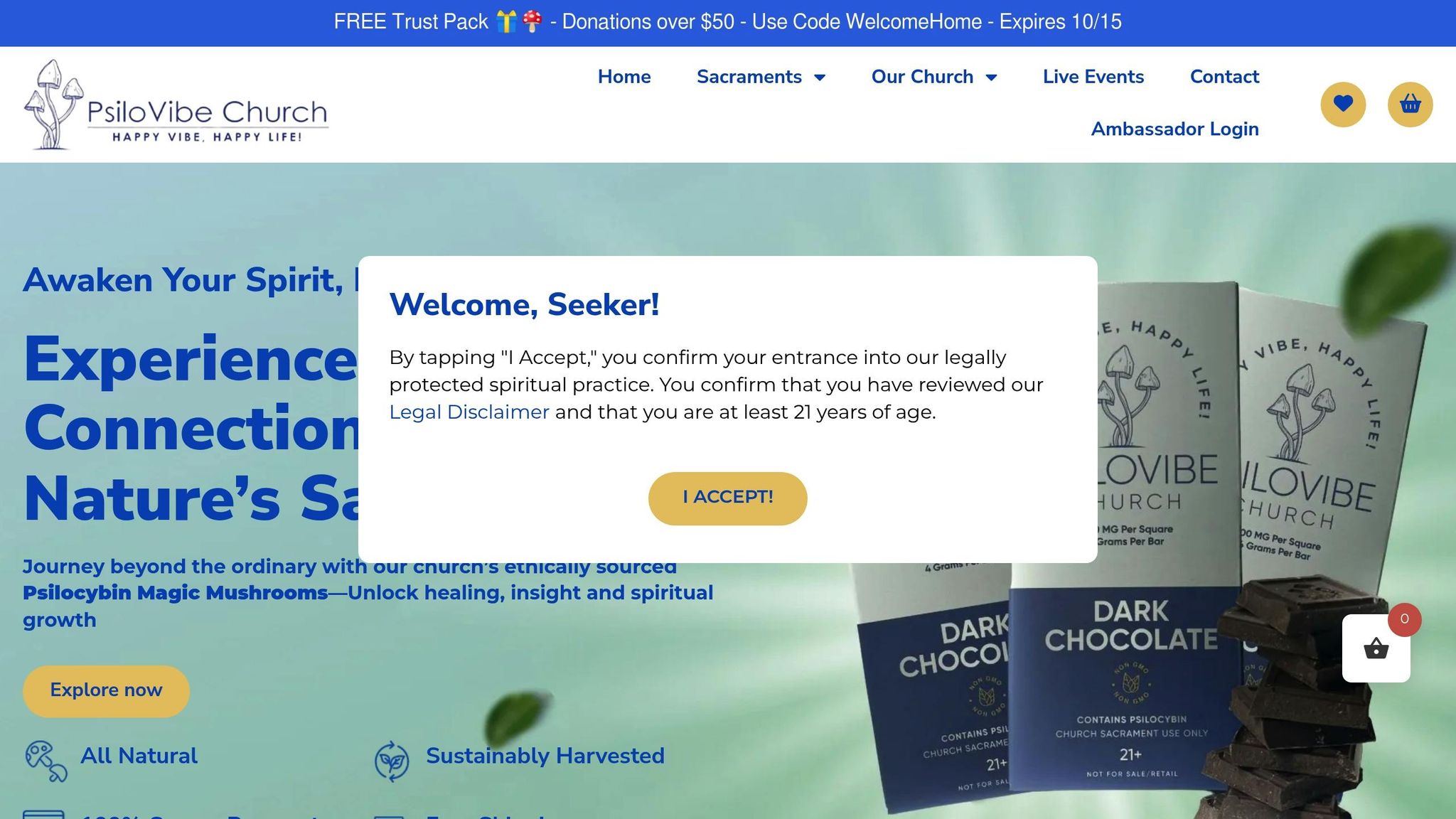
At PsiloVibe Church, psilocybin is treated as a sacred tool rather than just a therapeutic substance. The church views it as a natural catalyst for spiritual insight, helping individuals deepen their connection with the universe, their inner selves, and the divine.
"At the heart of our spiritual journey lies the sacred use of psilocybin, a divine gift from nature designed to deepen our connection with the universe, our inner selves, and the divine."
The church offers psilocybin-based sacraments that are woven into structured rituals. These ceremonies include meditation, prayer, music, and group sharing, creating a safe and intentional environment for participants. PsiloVibe also provides psilocybin in various forms, allowing for personalized dosing and comfort levels to suit individual preferences within the spiritual framework.
"Psilocybin is viewed as a sacred tool that can enhance and deepen our worship experiences. During special ceremonies or retreats, psilocybin is taken in a structured and intentional way, with prayers, chants, and meditative practices guiding participants through the experience."
Healing and Mindfulness Through Sacred Use
When combined with medical safety guidelines, a ritualistic approach to psilocybin use can further support emotional healing. Spiritual practices integrated with psilocybin offer unique benefits that align with mental health recovery. Participants often report enhanced emotional well-being, mindfulness, and personal insight when psilocybin is used within a spiritual context.
PsiloVibe Church highlights three key healing dimensions through sacred use:
- Mindfulness: Heightened awareness of the present moment can help individuals move away from depressive thoughts tied to the past or anxiety about the future.
- Emotional Healing: Psilocybin facilitates the release of emotional burdens, enabling forgiveness, compassion, and inner peace.
- Consciousness Expansion: It allows participants to explore new perspectives, dissolving boundaries between the physical and spiritual, and fostering insights about interconnectedness, life, and love.
A 2023 study published in Nature found that individuals who used psilocybin in a ceremonial or spiritual setting reported greater empathy and prosocial behavior compared to those who used it recreationally. This underscores the potential of spiritual frameworks to amplify psilocybin’s therapeutic effects, which can be especially valuable for individuals whose social connections have been strained by depression.
Community support is another vital element in this process. Group rituals encourage a sense of belonging and shared understanding, helping participants process and integrate their experiences. This social connection is particularly beneficial for those who have felt isolated due to depression or are navigating the complexities of transitioning off medication.
For those considering psilocybin use while managing antidepressants, PsiloVibe Church strongly advises consulting healthcare professionals beforehand. This is especially important for individuals with mental health conditions or those taking specific medications. By blending spiritual reverence with practical safety, PsiloVibe ensures that participants can honor the sacred nature of the experience while maintaining their well-being.
Conclusion: Informed and Intentional Use
The interaction between psilocybin and antidepressants can be unpredictable, with about 50% of SSRI/SNRI users reporting reduced psilocybin effects. This highlights the need for thoughtful and informed decision-making.
It’s crucial to consult a healthcare professional to evaluate personal risks, watch for signs of serotonin syndrome, and navigate tapering protocols if necessary. As PsiloVibe Church advises, individuals with certain mental health conditions or those on specific medications should seek medical guidance before engaging in psilocybin use.
Abruptly stopping antidepressants can lead to worsening symptoms, while continuing them might diminish psilocybin’s effects. Finding the right balance requires a personalized approach and ongoing professional support.
Using psilocybin in a structured, supportive, and spiritual setting can enhance safety and foster intentionality. When approached in a controlled and mindful environment, psilocybin is generally safe for most individuals.
FAQs
What should I know about using psilocybin while taking antidepressants like SSRIs or SNRIs?
Combining psilocybin with antidepressants like SSRIs or SNRIs can introduce potential risks and may change how psilocybin affects the body. In some cases, these medications might lessen the intensity of psilocybin’s effects or lead to unpredictable interactions.
If you’re on antidepressants or managing a mental health condition, it’s crucial to talk to a qualified healthcare professional before considering psilocybin. Taking the time to prioritize safety and understand possible interactions is essential for a mindful and safe experience.
What should you know before transitioning from antidepressants to psilocybin for mental health support?
Transitioning from antidepressants to psilocybin requires careful consideration and should always be done under the supervision of a qualified healthcare professional. Some medications and mental health conditions may interact with psilocybin, making it crucial to consult with your doctor to ensure a safe approach tailored to your needs.
When used responsibly, psilocybin can offer potential benefits for mental health and personal growth. Preparing properly – such as understanding the right dosage and timing – plays a critical role in creating a safe and meaningful experience. Always put your well-being first and make thoughtful, informed choices if you’re considering psilocybin for healing or mindfulness.
How does a structured spiritual setting, like at PsiloVibe Church, support the safe use of psilocybin?
A structured spiritual environment, like those offered by PsiloVibe Church, provides a thoughtful and secure space for using psilocybin as a sacred tool. These settings often include practices such as meditation, prayer, and chanting, which help guide participants through their experiences with intention and mindfulness.
By cultivating a sense of purpose and connection, these environments aim to inspire spiritual growth, personal transformation, and a closer bond with the divine. This intentional framework ensures psilocybin is approached with care and respect, aligning its use with spiritual and healing practices.