
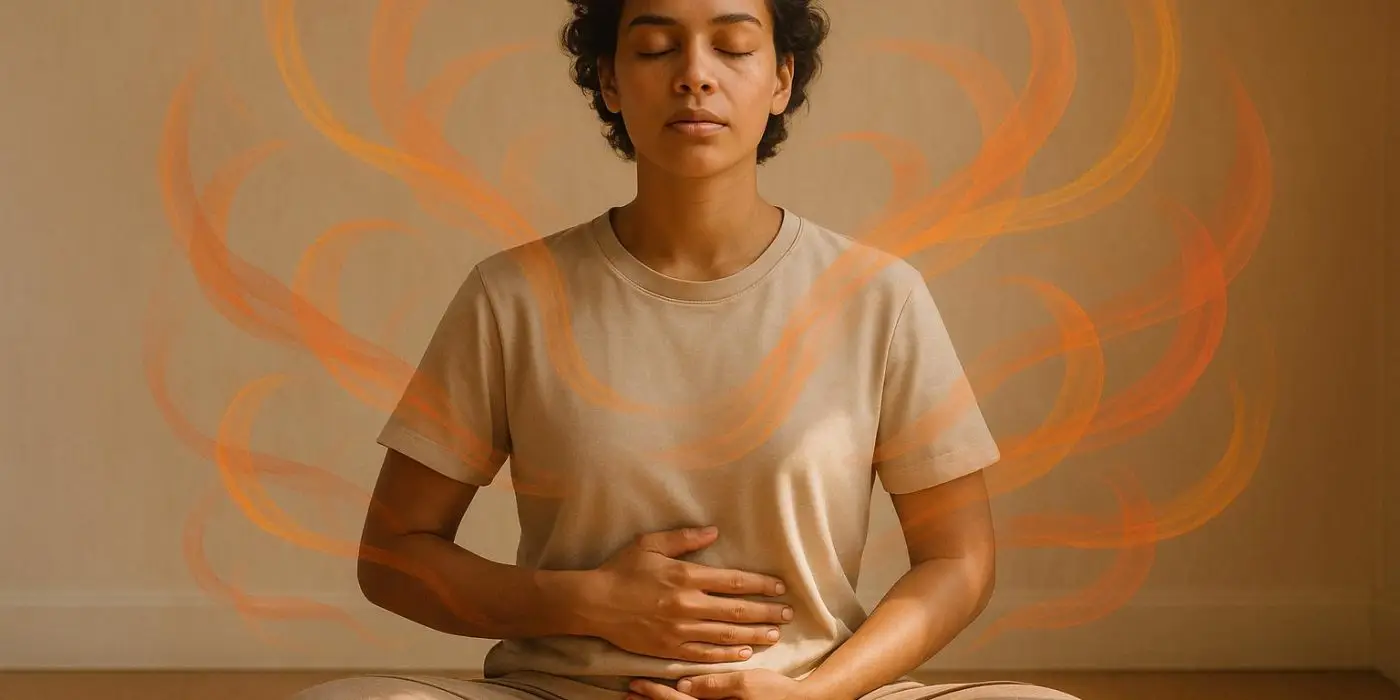
Breathwork is a powerful tool to enhance and navigate psychedelic experiences, particularly with psilocybin. Techniques like Holotropic, Shamanic, Wim Hof, and Neurodynamic Breathwork, as well as DMT-inspired methods, can deepen awareness, evoke emotional release, and even mimic psychedelic states on their own. These practices alter breathing patterns to influence brain activity, creating shifts in consciousness and emotional processing.
Key takeaways:
- Holotropic Breathwork: Uses rapid, circular breathing with music to access altered states. Best for guided sessions.
- Shamanic Breathwork: Combines deep breathing with rituals and music for spiritual exploration.
- Wim Hof Method: Involves controlled hyperventilation, breath retention, and cold exposure for euphoria and stress resilience.
- Neurodynamic Breathwork: Focuses on rhythmic breathing with music for self-awareness and emotional processing.
- DMT Breathwork: Mimics DMT-like states through intense, uninterrupted breathing patterns.
- PsiloVibe Integration: Combines breathwork with psilocybin in structured, guided settings for emotional and spiritual growth.
Safety is critical: These techniques are not suitable for individuals with heart issues, epilepsy, pregnancy, or certain mental health conditions. Guided sessions are recommended for beginners or those combining breathwork with psychedelics.
Breathwork offers a structured way to amplify emotional healing, self-reflection, and spiritual growth, but always prioritize safety and proper guidance.
1. Holotropic Breathwork
Core Method and Structure
Holotropic Breathwork, introduced by Stanislav and Christina Grof in the 1970s, combines rapid, continuous circular breathing with evocative music to help participants access altered states of consciousness. Sessions typically begin with participants lying in a quiet, comfortable space, breathing through their mouth while focusing on abdominal expansion. The music – ranging from drum rhythms to meditative melodies – plays a key role in guiding the emotional and energetic flow, creating an environment for deep emotional and spiritual exploration. This structured approach often sets the stage for significant emotional and physical experiences.
Reported Benefits
This breathing technique triggers noticeable physiological changes. By altering blood gases, it induces low CO₂ levels (hypocapnia) and temporary hypoxia, which activate hormonal responses, including adrenaline and endorphin release. These changes can produce pain relief, a sense of euphoria, and shifts in brain activity, resembling the effects seen in moderate-dose psychedelic sessions.
Participants frequently describe experiencing mystical or transpersonal states, such as feelings of unity, transcendence, or encounters with meaningful imagery or a higher power. Other reported benefits include emotional release, like cathartic moments that help process unresolved trauma or emotions. Additional outcomes include improved sleep, reduced muscle tension, heightened mindfulness, and a stronger connection between mind and body. Many also report a sense of euphoria, similar to the "runner’s high" caused by endorphins.
During sessions, common sensations include tingling, emotional outbursts (crying, laughing, or shaking), and vivid visuals. Some participants recount a sense of oneness, encounters with archetypal figures, or profound personal insights.
Safety Considerations
Safety is a top priority when practicing Holotropic Breathwork. The environment should be quiet, hazard-free, and private, with a trusted person nearby for support if needed. Avoid distractions and ensure there are no sharp objects in the space.
Certain conditions make this practice unsuitable, including cardiovascular disease, severe respiratory issues, epilepsy, pregnancy, and some psychiatric disorders. Those with medical concerns – especially related to the heart, lungs, or mental health – should consult a healthcare provider before trying this technique. Individuals with a history of trauma or mental health challenges are also encouraged to seek professional advice beforehand.
During the session, it’s crucial to listen to your body. If you experience pain, dizziness, or distress, stop or slow down immediately. Staying hydrated before and after the practice is recommended, and it should never be done while driving or near water. With proper precautions, most participants do not encounter adverse effects.
Suitability for Solo vs. Guided Practice
Given the intensity of Holotropic Breathwork, guided sessions are often recommended, especially for beginners or those seeking therapeutic outcomes. A trained facilitator can provide a safe space, emotional support, and guidance through any challenging experiences.
For those exploring solo practice, it’s essential to create a secure environment and have someone nearby for support. Setting an intention beforehand can help focus the session and aid in emotional processing. Simple comforts, like a blanket or eye mask, can enhance the experience.
For deeper emotional or trauma-related work, professional guidance is strongly advised. Group sessions with trained facilitators are a popular option, offering both safety and a sense of community during the intense experiences that can arise.
2. Shamanic Breathwork
Core Method and Structure
Shamanic Breathwork taps into the transformative power of breath to create altered states of consciousness, blending ancient practices with modern therapeutic approaches. At its core, this method relies on intentional, deep breathing in a continuous, circular rhythm. Participants breathe deeply through the mouth, combining this technique with intention-setting, guided visualization, and sometimes expressive activities like movement or art.
Sessions often begin with the creation of a sacred and supportive atmosphere. This might involve rituals such as smudging, placing crystals, or arranging meaningful objects. Participants typically lie on mats, using blankets and eye masks for comfort, while the facilitator leads grounding exercises or a brief meditation. The breathing technique involves rhythmic, deep inhalations and exhalations, encouraging the expansion of the abdomen and chest in a smooth, uninterrupted cycle.
Music and sound are central to the experience. Carefully curated playlists featuring drumming, chanting, or instrumental tracks guide participants through emotional and energetic shifts. These sounds help induce altered states and evoke powerful imagery, shaping the inner journey.
Reported Benefits
Shamanic Breathwork often brings about intense emotional releases, such as crying, laughing, or shaking, which can help resolve built-up tension. Many participants describe mystical or visionary experiences, including feelings of oneness with the universe, encounters with spiritual guides, or archetypal imagery. These moments often provide profound personal insights and help surface subconscious material for healing and growth.
Other effects include physical sensations like tingling, waves of energy, or temporary changes in body temperature or muscle tension. Many also report an expanded sense of self-awareness, deeper connections with others, improved sleep, and heightened mindfulness in daily life.
Safety Considerations
To ensure a safe practice, it’s essential to create a calm, hazard-free environment with plenty of space for any spontaneous movement. Having a trusted person nearby for support can be invaluable.
Shamanic Breathwork is not suitable for everyone. It is contraindicated for people with cardiovascular issues, severe respiratory conditions, epilepsy, pregnancy, or certain psychiatric disorders like schizophrenia or severe dissociation. Individuals with these conditions should avoid this practice or participate only under close medical supervision. For anyone with heart, lung, or mental health concerns, consulting a healthcare provider beforehand is strongly advised.
During sessions, participants may experience intense emotions or physical sensations. It’s important to listen to the body and adjust the breathing technique if discomfort, severe dizziness, or overwhelming feelings arise. Avoid practicing near water, while driving, or under the influence of substances unless under professional guidance. These precautions are particularly important when combining Shamanic Breathwork with psilocybin ceremonies, as explored later.
Suitability for Solo vs. Guided Practice
While experienced practitioners may explore solo sessions, beginners and those incorporating psilocybin sacraments should always opt for guided sessions. A skilled facilitator provides crucial safety oversight, emotional support during challenging moments, and assistance in processing insights that emerge.
For those considering solo practice, prior experience with guided sessions is essential. It’s important to create a secure, distraction-free environment, set a clear intention for the session, and have a trusted person available for support if needed. Beginners should start with shorter, less intensive sessions and build up gradually.
Organizations like PsiloVibe Church often integrate Shamanic Breathwork into psilocybin ceremonies, using it to deepen emotional and mystical experiences. When combined with psilocybin, this practice can enhance intention-setting and help integrate profound insights. However, these combinations should always be conducted under the supervision of experienced facilitators who follow strict safety protocols.
3. Wim Hof Method

Core Method and Structure
The Wim Hof Method is built around three key practices: controlled hyperventilation, breath retention, and gradual exposure to cold. Together, these are intended to create physiological shifts that may complement psychedelic experiences.
To begin, lie down in a safe and comfortable spot to avoid dizziness. Start with 30–40 deep breaths through the mouth. Each inhale should fully expand the lungs, while the exhale happens naturally without forcing it. After completing this cycle, exhale completely and hold your breath for as long as feels comfortable. Then, take a deep inhale and hold briefly before repeating the process. These cycles alter blood-gas levels by reducing carbon dioxide and temporarily lowering oxygen levels, which can trigger a hormonal response. This response releases adrenaline, endorphins, and dopamine, potentially supporting altered states of consciousness. The addition of cold exposure therapy adds another layer to this transformative practice.
Reported Benefits
Practitioners often describe the Wim Hof Method as producing sensations similar to psychedelic experiences. The adrenaline rush and endorphin release can create feelings of euphoria, tingling, waves of energy, and even emotional breakthroughs.
Some report vivid imagery, spiritual insights, and a profound sense of connection. The method’s effect on brain activity, particularly its ability to influence the default mode network, mirrors some of the changes observed during psilocybin use. A 2014 study highlighted that practitioners could consciously initiate an adrenaline response strong enough to reduce inflammation. Additionally, clinical reports of breathwork practices, including the Wim Hof Method, show that up to 82% of participants experienced "transpersonal" or mystical states, such as a deep sense of oneness or encounters with the divine. These effects emphasize the importance of practicing safely and responsibly.
Safety Considerations
The intensity of the Wim Hof Method calls for strict safety measures, especially when paired with psychedelic substances. Never practice it while driving, swimming, or in any situation where losing consciousness could pose a risk. Always choose a secure, hazard-free environment and keep water nearby to stay hydrated.
Rapid breathing and breath retention can sometimes cause dizziness or disorientation. People with conditions like cardiovascular disease, respiratory issues, epilepsy, or severe mental health challenges should consult a healthcare professional before trying this method. Pregnant individuals should avoid it altogether due to the significant physical changes it induces.
If combining the Wim Hof Method with psilocybin, extra caution is crucial. Start with gentle sessions and gradually increase intensity over time to become familiar with the sensations and ensure safety.
Suitability for Solo vs. Guided Practice
When integrating the Wim Hof Method with psilocybin, careful practice is essential. While seasoned practitioners may feel comfortable practicing alone, beginners or those combining it with psychedelics should seek guidance. Guided sessions provide critical support during vulnerable phases like breath retention, where shifts in consciousness can occur. Solo practice should only follow supervised experience.
Guided sessions, especially in psilocybin ceremonies, help ensure safety and allow for deeper integration. Starting with shorter cycles and gradually increasing intensity is a practical way to ease into the practice. Organizations like PsiloVibe Church incorporate the Wim Hof Method into their ceremonies, blending breathwork with psychedelics to enhance spiritual exploration and personal transformation. These sessions are led by experienced facilitators who understand the complexities of both breathwork and psychedelic experiences.
4. Neurodynamic Breathwork
Core Method and Structure
Neurodynamic Breathwork is a rhythmic, continuous breathing technique through the mouth, designed to shift your awareness and tap into altered states of consciousness. These states often mirror the emotional depth and expanded perception associated with psychedelic experiences. This approach blends ancient spiritual practices with insights from modern psychology, creating a unique path to self-exploration.
Sessions typically last between 60 and 90 minutes and are accompanied by instrumental music that complements the emotional flow of the practice. The controlled hyperventilation involved in this method alters blood CO₂ and pH levels, leading to vivid visuals and shifts in perception. Think of it as a workout for your autonomic nervous system – starting with a heightened alert state before transitioning into deep relaxation. This powerful combination prepares the mind for profound introspection.
Reported Benefits
Practitioners often report a range of transformative experiences during Neurodynamic Breathwork sessions. Many describe intense emotional releases, moments of deep self-awareness, and even mystical insights that echo the effects of psychedelic journeys. Some experience feelings of unity, transcendence, and spiritual connection, while others note practical benefits like reduced anxiety, better sleep, and relief from muscle tension. Physical sensations such as tingling, shifts in body energy, temperature changes, and waves of emotion are also common. These moments can bring spontaneous laughter or even cathartic crying, offering a powerful release.
Safety Considerations
To practice Neurodynamic Breathwork safely, it’s essential to choose a secure, hazard-free environment. The intensity of the breathing can sometimes cause lightheadedness, tingling, or emotional overwhelm. If you feel uncomfortable, slow your breathing or take a break. This technique isn’t suitable for everyone – those with serious heart conditions, severe respiratory issues, epilepsy, pregnancy, or certain psychiatric disorders (like schizophrenia or severe dissociative conditions) should avoid it or only proceed under strict medical supervision. If you have any pre-existing conditions, consulting with a healthcare provider beforehand is a wise step. Keeping a blanket handy and staying hydrated are simple but effective ways to ensure comfort and safety.
Suitability for Solo vs. Guided Practice
For beginners or those looking to dive deeper into emotional work, guided sessions are highly recommended. Experienced facilitators provide a safe and supportive environment, manage intense emotions, and use music and pacing to guide the session effectively. Similar to Holotropic and Shamanic Breathwork, professional guidance can enhance both the safety and depth of the experience.
Guided sessions are widely accessible through online platforms, breathwork apps, and instructional videos. However, if you’re combining Neurodynamic Breathwork with psychedelic substances, working with a trained professional is crucial. Proper screening, clear intention-setting, and post-session integration support are essential for navigating these more intense experiences safely and meaningfully.
5. DMT Breathwork Techniques
Core Method and Structure
DMT breathwork techniques revolve around continuous circular breathing patterns, designed to create altered states of consciousness similar to those experienced during a DMT journey. The process involves deep, rhythmic breathing with no pauses between inhaling and exhaling. This uninterrupted flow of breath helps shift your awareness, opening the door to profound and transformative experiences.
A typical session begins with setting intentions and grounding yourself. This is followed by 15–60 minutes of active breathing, with the most intense effects often appearing within the first 15–20 minutes. The practice is known for inducing visionary states, dissolving the ego, and uncovering profound insights.
The structure of a session usually follows a clear progression: preparation and grounding, active breathwork guided by music, a peak experience phase, and a gradual return to normal awareness. Music plays a key role, with instrumental tracks that build energy during the session and taper off to support a smooth transition back to everyday consciousness.
Reported Benefits
Many participants report experiences that feel as profound as those achieved through psychedelic substances. In fact, a 2024 study discovered that breathwork could evoke mystical experiences comparable to medium or high doses of psilocybin. These experiences often include vivid visuals, encounters with archetypal imagery, and moments of deep spiritual insight.
The intense breathing patterns can also stimulate the release of endorphins and dopamine, leading to feelings of natural euphoria and pain relief. Beyond the mystical aspects, the practice often brings about significant emotional release, allowing suppressed emotions to surface and be processed in a safe environment. Additional reported benefits include heightened creativity, a stronger spiritual connection, and a lasting sense of emotional freedom.
Safety Considerations
The intensity of DMT breathwork requires careful attention to safety. The hyperventilation involved can cause dizziness, tingling sensations, or even loss of consciousness if not approached mindfully. Always practice in a secure, distraction-free environment.
Certain medical conditions may make this practice unsuitable or require medical supervision. For instance, individuals with cardiovascular issues, respiratory conditions, epilepsy, or psychiatric disorders like schizophrenia or bipolar disorder should avoid these techniques. Pregnant individuals and those with a history of seizures or fainting are also advised against participating.
It’s essential to stay hydrated and pay close attention to your body’s signals. If you experience discomfort or alarming symptoms, slow down or stop immediately. Having water within reach and a comfortable blanket nearby can help manage the physical sensations that often accompany intense breathwork sessions.
Suitability for Solo vs. Guided Practice
As with other intensive breathwork methods, proper guidance is crucial. While experienced practitioners may feel comfortable engaging in solo DMT breathwork, beginners or those seeking deeper transformations should opt for guided sessions. Professional guidance is especially important for navigating the intense phases of the experience, which can bring up overwhelming emotions, disorientation, or challenging psychological material.
Trained facilitators provide emotional support, ensure physical safety, and help with post-session integration. Their expertise allows you to fully engage with the transformative potential of the practice while maintaining mindfulness and safety throughout the process.
sbb-itb-a39e8e6
6. Using Breathwork with Psilocybin Sacraments (PsiloVibe Church)

Core Method and Structure
PsiloVibe Church combines rhythmic breathwork techniques – like circular or holotropic breathing – with their psilocybin offerings, such as capsules, teas, chocolates, or whole mushrooms, to deepen spiritual experiences and promote healing.
The process begins with setting a clear intention in a secure, calming environment. Participants choose a PsiloVibe Church sacrament, like the 100 mg MicroCap for a lighter experience or the 400 mg MacroDose for a more profound journey. As the psilocybin takes effect, deep, continuous breathing is practiced – no pauses between inhaling and exhaling. This breathing method can amplify psilocybin’s effects by altering blood gases and influencing brain activity.
Sessions typically last 15 to 60 minutes and are often accompanied by music carefully selected to guide participants through different stages: preparation, sacrament ingestion, active breathwork, the peak experience, and the gradual return to normal awareness. This structured approach bridges traditional breathwork with the heightened states induced by psilocybin.
Reported Benefits
Combining breathwork with PsiloVibe Church’s psilocybin sacraments has been reported to unlock profound emotional and spiritual growth. Clinical data indicates that 82% of participants in similar sessions experienced "transpersonal" or mythic states of consciousness. Many users describe breakthroughs in emotional processing, such as releasing buried trauma and addressing subconscious material. PsiloVibe Church refers to this as "deep emotional healing", where participants can let go of emotional burdens, confront trauma, and achieve forgiveness and inner peace.
Mystical insights are also a common outcome, with users reporting feelings of unity, transcendence, and connection to the divine. These experiences often lead to transformative realizations and a renewed sense of purpose. Additionally, the practice enhances other spiritual activities like prayer, meditation, and self-reflection, offering clarity and insights that support continued growth.
Safety Considerations
To ensure safety, it’s essential to create a hazard-free, distraction-free environment. Participants should lie down comfortably, with access to blankets for temperature regulation and water for hydration. Having a trusted person present for support is strongly advised.
People with certain medical conditions should exercise caution. Those with heart issues, respiratory problems, epilepsy, psychiatric disorders (like schizophrenia or bipolar disorder), or a history of seizures should consult a healthcare provider before participating. Pregnant individuals are also advised to avoid this practice.
Breathwork can be intense, sometimes causing dizziness, tingling, or even temporary loss of consciousness. Participants should listen to their bodies, pausing or slowing down if discomfort arises. This practice should never be done while driving, near water, or in unsafe environments, and it’s important to avoid combining it with other substances.
Suitability for Solo vs. Guided Practice
While experienced practitioners may feel comfortable conducting solo sessions, guided facilitation is highly recommended – especially for beginners or those using higher doses like the 400 mg MacroDose. Professional facilitators can provide emotional support, ensure physical safety, and help participants navigate challenging phases of the experience.
Trained guides play a key role, offering structure and support from the intention-setting phase through the peak experience and into integration. Even for seasoned practitioners, having a trusted sitter (in person or remotely) adds an extra layer of safety. This highlights the importance of both guidance and community support in making these practices more meaningful and secure.
Psychedelic Breathwork To Help Release Natural DMT I Hinimawé – Shaman’s Dream and Geometrae
Comparison Table
Here’s a quick comparison of various breathwork techniques, highlighting their approaches, benefits, safety considerations, and recommended practice settings.
| Technique | Core Method | Primary Benefits | Safety Considerations | Practice Type |
|---|---|---|---|---|
| Holotropic Breathwork | Deep, rapid, circular breathing for 15–60 minutes with evocative music | Emotional release, mystical experiences, personal insight (82% report transpersonal states) | Not recommended for heart conditions, epilepsy, severe mental illness, or pregnancy | Guided – Requires a trained facilitator |
| Shamanic Breathwork | Rhythmic breathing with drumming and guided visualization | Spiritual connection, unity, and deep emotional healing | High emotional intensity; not suitable for those with psychiatric vulnerabilities | Guided – Best in ceremonial settings |
| Wim Hof Method | Controlled hyperventilation, breath retention, and cold exposure | Endorphin rush, improved stress tolerance, and euphoria; triggers conscious adrenaline responses | Avoid practicing in water or while driving; not suitable for those with cardiovascular issues | Both – Can be practiced solo with proper training |
| Neurodynamic Breathwork | Accelerated conscious breathing paired with music in group settings | Enhanced emotional processing, self-awareness, and integration support | Refer to individual sections for specific contraindications | Guided – Best in facilitated groups |
| DMT Breathwork | Intense, rapid breathing patterns mimicking the endogenous release of DMT | Visionary states and mystical experiences | Highly intense; not suitable for individuals with cardiac or psychiatric vulnerabilities | Guided – Requires an experienced facilitator |
| PsiloVibe Church Psilocybin Breathwork | Gentle, mindful breathing combined with psilocybin sacraments | Enhanced mindfulness, spiritual growth, emotional healing, and transpersonal experiences | Not suitable for mental health conditions or those on psychiatric medications | Guided – Professional facilitation recommended |
The Wim Hof Method stands out as the only option that can be practiced solo, though beginners are encouraged to seek initial guidance for safety and effectiveness.
Both Holotropic and Neurodynamic Breathwork use controlled hyperventilation to alter blood gas levels, leading to brainwave shifts similar to those seen with moderate doses of psychedelics. Meanwhile, combining breathwork with PsiloVibe Church’s psilocybin sacraments offers a unique path to mindfulness and emotional breakthroughs, often supporting long-term growth and healing.
Safety is a key concern across all methods. Temporary side effects like tingling, muscle tension, and dizziness may occur but can usually be managed by pausing the practice.
This comparison provides a clear starting point to help you choose the right technique based on your goals, safety needs, and desired depth of experience.
Conclusion
Breathwork serves as a powerful companion to psychedelic experiences, offering tools for emotional healing, deeper introspection, and navigating altered states with greater ease. Techniques like Holotropic Breathwork with its continuous breathing patterns and the Wim Hof Method with controlled hyperventilation each open distinct pathways to enhance mindfulness and foster personal growth.
Studies have shown that breathwork can induce mystical and transformative states. These findings highlight its therapeutic potential, especially when paired with psychedelics. However, safety should always come first. Always practice in a secure environment, stay hydrated, and listen to your body. If you have any heart, respiratory, or mental health conditions, consult a healthcare professional before diving into intensive breathwork practices. Working with trained facilitators can further minimize risks and amplify the benefits of your sessions.
Equally important is the integration process. Breathwork helps you reconnect with your body, process emotions, and support long-lasting growth. Gentle breathing exercises can ground you after intense experiences, while practices like journaling and ongoing breathwork contribute to sustained healing and self-discovery.
For those exploring the combination of breathwork with psilocybin, PsiloVibe Church offers ethically sourced options designed to promote mindfulness and spiritual exploration. Whether you’re drawn to their microdosing capsules or ceremonial chocolates, their focus on safe, supportive environments aligns perfectly with the need for intentional and guided practices in these journeys.
Breathwork is where ancient wisdom meets modern understanding. Start with small steps, move forward thoughtfully, and always prioritize your well-being. With the right preparation, guidance, and follow-through, these practices can open doors to profound healing and spiritual connection, enriching your psychedelic journey in ways you never thought possible.
FAQs
What are some safe and effective breathwork techniques to enhance a psilocybin journey?
Incorporating breathwork into a psilocybin journey can help you stay grounded, manage emotions, and deepen your awareness throughout the experience. The key is to stick with gentle, intentional techniques that encourage relaxation and mindfulness.
A great starting point is diaphragmatic breathing – often called belly breathing. Breathe deeply through your nose, letting your stomach expand fully, then exhale slowly through your mouth. This method can help you feel calm and centered. If you’re looking for something more immersive, you might try cyclical breathing. This involves continuous, rhythmic breaths without pausing between the inhale and exhale, which can lead to emotional release and a deeper sense of connection.
Always prioritize safety by practicing in a comfortable, secure setting and staying attuned to your body’s signals. If psilocybin is part of your spiritual practice, you might find value in communities like PsiloVibe Church, which focuses on mindfulness and healing through the sacred use of psilocybin. Remember, approaching the journey with care and clear intention can make all the difference.
How can breathwork enhance the benefits of psilocybin sacraments during a psychedelic experience?
Breathwork can play a powerful role in enhancing the effects of psilocybin sacraments. By using intentional breathing techniques, you can cultivate mindfulness, release pent-up emotions, and deepen your connection to the experience. Controlled breathing helps calm the mind, ease anxiety, and establish a sense of safety, making it easier to approach the journey with clarity and purpose.
Focusing on your breath can act as an anchor during intense moments, helping you stay grounded while accessing heightened states of awareness. This practice can amplify feelings of inner peace and foster a stronger sense of spiritual connection. Integrating breathwork into your psilocybin practice supports a deeper, more transformative experience, aligning with the healing and self-exploration goals often associated with its use.
Are there any health conditions that could make breathwork unsafe during a psychedelic experience?
Breathwork techniques aren’t suitable for everyone, particularly during a psychedelic experience. People with heart problems, respiratory conditions, or a history of seizures should approach these practices carefully. Similarly, individuals dealing with severe mental health challenges like anxiety or psychosis, or those on certain medications, should consult a healthcare professional beforehand.
Your safety comes first. Pay attention to how your body feels and practice mindfulness. When in doubt, reaching out to a qualified medical expert is a smart move.